SEO for Attorneys: A Practical Guide to More Local Clients
- Home
- Knowledge Sharing
- SEO for Attorneys: A Practical Guide to More Local Clients
What Is SEO for Attorneys?
SEO for attorneys is the process of improving a law firm’s website and online presence so potential clients can find the firm when they search for legal help. It includes organic Google results, local search results, Google Maps visibility, legal directory visibility, and informational searches where people are trying to understand a legal problem before contacting a lawyer.
In simple terms, attorney SEO helps your firm appear when someone searches for queries like:
- “personal injury attorney near me”
- “divorce lawyer in Chicago”
- “immigration attorney Toronto”
- “what to do after a car accident”
- “how long does probate take”
- “criminal defense attorney free consultation”
Google describes SEO as helping search engines understand your content and helping users find your site through search. That basic definition applies to attorneys, but the legal industry adds extra complexity because legal search is local, competitive, trust-sensitive, and often tied to urgent client needs.
For attorneys, SEO is not only about traffic. A law firm does not need thousands of casual readers who will never become clients. It needs the right people finding the right page at the right moment: someone with a legal problem, in the right jurisdiction, looking for the specific service the firm provides.
Why SEO Is Different for Attorneys
Attorney SEO is not just “regular SEO with legal keywords.” It has several constraints that make it more demanding.
First, legal services are high-trust services. A person seeking a lawyer may be dealing with an injury, divorce, criminal charges, immigration issues, employment disputes, estate matters, or business risks. Google’s guidance emphasizes helpful, reliable, people-first content, which is especially important when content affects important decisions.
Second, attorney marketing must be careful with claims. In the U.S., ABA Model Rule 7.1 says a lawyer must not make false or misleading communications about the lawyer or the lawyer’s services. In Canada, the Canadian Bar Association’s advertising guidance similarly warns against false or misleading means when offering legal services.
That matters for SEO because search-optimized pages often include persuasive language. Phrases like “best attorney,” “guaranteed results,” “top-rated,” “specialist,” “expert,” or “we win every case” can create compliance risk if they are not substantiated or permitted by the relevant rules. A safer SEO strategy uses verifiable facts, transparent qualifications, clear attorney bios, careful disclaimers, and practical explanations.
Third, legal search is usually local. A person does not just search for “lawyer.” They search by practice area, city, county, state, province, or “near me.” Google says local results are based primarily on relevance, distance, and prominence, so an attorney’s visibility depends on both the website and local business signals.
Finally, attorney SEO needs to connect to intake quality. A page that ranks for a broad legal question may generate traffic, but no valuable cases. A page that ranks for a lower-volume, high-intent query such as “commercial lease dispute attorney in [city]” may be much more valuable.
The Attorney SEO Growth Framework
A practical attorney SEO strategy should follow a sequence. Jumping straight into blog posts or backlinks before fixing the foundation often wastes budget.
Step 1: Audit the website
Start with a technical, content, and local SEO audit. Rankings.io’s attorney SEO guide makes a similar point: before publishing new content, firms need to identify issues such as crawl errors, slow speed, missing schema, duplicate content, broken internal links, and non-indexable pages.
For a law firm, the audit should check:
- whether important practice-area pages are crawlable and indexable
- whether pages have unique title tags, H1s, and meta descriptions
- whether the site has duplicate or thin location pages
- whether attorney bio pages are visible and internally linked
- whether the site works well on mobile
- whether forms, click-to-call buttons, and intake paths work
- whether Google Business Profile data matches website data
- whether old URLs, redirects, and canonical tags are clean
Step 2: Define practice areas and markets
Attorney SEO starts with a business strategy. A personal injury firm, a family law firm, an immigration firm, an estate planning attorney, and a corporate law firm should not use the same keyword map.
Before keyword research, define:
- Which practice areas generate the best matters?
- Which matters does the firm want more of?
- Which cities, counties, states, or provinces can the firm serve?
- Which services require immediate contact?
- Which services require longer education before the client is ready?
- Which case types are not worth pursuing?
This prevents the common mistake of chasing keywords that look attractive but do not support the firm’s growth.
Step 3: Build high-intent practice-area pages
For most law firms, practice-area pages should serve as the foundation for commercial SEO. Clio recommends creating separate pages for each practice area-city combination, based on the priorities potential clients have when considering legal help.
A strong practice-area page should explain:
- what the attorney helps with
- who the service is for
- what situations qualify
- what process can the client expect
- what documents or information may be useful
- when someone should contact a lawyer
- what makes the firm relevant to that matter type
- how to request a consultation
The page should not read like a legal encyclopedia. It should help a real person understand whether the firm can help and what to do next.
Step 4: Strengthen local visibility
Local SEO is essential for many attorneys. Google Business Profile documentation says that complete and accurate business information can improve local visibility, and that verified businesses are more likely to appear in search results.
For attorneys, local SEO usually includes:
- Google Business Profile optimization
- accurate name, address, and phone information
- correct business categories
- office hours
- service descriptions
- appointment links
- review management
- local citations
- local landing pages where appropriate
- consistent attorney and firm profiles across directories
Step 5: Publish content that answers real client questions
Blog content can work for attorneys, but only if it is mapped to actual client questions. Generic legal articles rarely build authority. Better content comes from intake calls, consultation questions, case-type patterns, and practice-area objections.
Examples:
- “What should I do after being served divorce papers in [state]?”
- “Can I change lawyers during a personal injury case?”
- “What happens after a DUI arrest in [city]?”
- “Do I need a lawyer for probate in [province]?”
- “What documents should I bring to an immigration consultation?”
Google’s people-first content guidance encourages content created for users rather than content designed mainly to manipulate rankings. That is a useful standard for attorney content: publish what helps a prospective client make a more informed next step.
Step 6: Build authority and reputation
Backlinks, citations, mentions, attorney profiles, and reviews help reinforce credibility. D.C. Bar’s SEO fundamentals include link building, local SEO, reviews, content, and mobile optimization as important areas for lawyers.
For attorneys, authority-building can include:
- legal directory profiles
- local chamber or business association pages
- bar association profiles where appropriate
- community involvement pages
- legal commentary for journalists
- guest articles in relevant publications
- scholarship or community resources
- podcast interviews or webinars
- citations from local organizations
Avoid manipulative link schemes. Attorney SEO is too trust-sensitive for shortcuts that could create ranking or reputation risk.
Step 7: Measure lead quality, not just traffic
A law firm should not judge SEO only by rankings. Rankings are directional. Business value comes from qualified consultations and signed matters.
Track:
- organic phone calls
- organic contact forms
- consultation bookings
- live chat leads
- Google Business Profile calls
- map views and actions
- branded vs non-branded organic traffic
- practice-area page conversions
- signed cases from organic search
- matter quality by practice area
For attorneys, the best SEO reporting connects visibility to intake.
Keyword Strategy for Attorneys
The simplest attorney keyword formula is:
Practice area + lawyer/attorney/law firm + location
Examples:
- “personal injury attorney Miami”
- “divorce lawyer Toronto”
- “criminal defense attorney Dallas”
- “estate planning lawyer Vancouver”
- “employment lawyer Chicago”
PaperStreet describes this same basic logic: combine practice areas, geographic areas, and terms such as lawyer, attorney, and law firm.
But that formula is only the start. A serious attorney SEO strategy should include several types of keywords.
1. Commercial service keywords
These are the terms most likely to convert.
Examples:
- “car accident attorney in [city]”
- “family law attorney near me”
- “business litigation lawyer [city]”
- “immigration lawyer consultation”
- “probate attorney [county]”
These usually belong on practice-area pages, not blog posts.
2. Problem-aware keywords
These searches come from people who may not know which legal service they need.
Examples:
- “what happens if I refuse a breathalyzer?”
- “can my employer fire me after medical leave?”
- “who pays medical bills after a car accident?”
- “how to respond to a custody modification request.”
These usually belong in blog posts, FAQs, guides, or supporting articles.
3. Urgent keywords
Some practice areas have urgent search behavior.
Examples:
- “arrested for DUI, what now?”
- “emergency custody lawyer”
- “restraining order lawyer near me”
- “immigration detention attorney”
These pages need fast answers, visible phone numbers, and clear next steps.
4. Comparison and evaluation keywords
These searches appear when a potential client is choosing between options.
Examples:
- “public defender vs private attorney”
- “mediated divorce vs litigation”
- “Do I need a lawyer for probate?”
- “settle or sue after accident.”
These topics can build trust before someone contacts the firm.
5. Branded and reputation keywords
People often search for a firm or an attorney by name before making contact. Reputation pages, attorney bios, reviews, and case-result pages should be accurate, compliant, and easy to find.
Practice-Area Pages and Location Pages
A law firm website should make it easy for users and search engines to understand what the firm does and where it does it.
What a practice-area page should include
A strong attorney practice-area page usually includes:
- a clear H1 matching the service and location
- a plain-English explanation of the service
- Examples of cases or situations handled
- signs that a person may need legal help
- the attorney’s process
- attorney credentials and relevant experience
- FAQs
- internal links to related services
- clear calls to action
- disclaimers where appropriate
For example, a page titled “Personal Injury Attorney in Miami” should not be a generic article about personal injury law. It should explain the firm’s personal injury services, the types of accidents handled, the consultation process, what clients should prepare, and how to contact the firm.
When to create location pages
Location pages make sense when the firm has a real connection to that location: an office, attorneys serving that market, local case experience, or a legitimate service area.
Avoid creating dozens of near-identical pages where only the city name changes. Thin location pages can create a poor user experience and may not help search visibility. Google’s Search Essentials recommends using the words people search for prominently, while also emphasizing helpful content and crawlable links.
A useful location page should include:
- specific office or service-area information
- local court or process context, where appropriate
- attorneys serving that location
- directions or consultation options
- locally relevant FAQs
- links to relevant practice areas
Local SEO and Google Business Profile for Attorneys
For many attorneys, local SEO is the difference between being considered and being invisible. A prospective client may search directly in Google Maps or click the local pack before scrolling to organic results.
Google says businesses with complete and accurate information are more likely to show in local search results, and Business Profile information should help customers understand what the business does, where it is, and when they can visit.
Attorney local SEO checklist
- Claim and verify the firm’s Google Business Profile.
- Use the real business name.
- Choose the most accurate primary and secondary categories.
- Add complete address, phone, website, and hours.
- Add appointment or consultation links.
- Add service descriptions.
- Upload professional photos where appropriate.
- Keep office hours current.
- Build consistent citations across legal and local directories.
- Encourage reviews ethically and respond professionally.
- Make sure the website NAP matches the directory and GBP information.
Practitioner listings
Attorneys may sometimes have individual practitioner profiles in addition to a firm profile, but this should be handled carefully. Google’s Business Profile rules and public-facing professional guidance should be reviewed before creating or modifying practitioner listings, as incorrect setup can lead to duplication, suspension, or visibility issues. Google’s broader Business Profile guidelines warn that violations can lead to changes or removal of business information.
Reviews and reputation
Reviews influence trust, but attorneys must handle review requests carefully. Do not create fake reviews, incentivize reviews in a way that violates platform rules, or reveal confidential client information in responses.
A safe response pattern is:
- thank the reviewer
- avoid discussing case details
- keep the response general
- invite offline follow-up if needed
- maintain professionalism
Technical SEO for Law Firm Websites
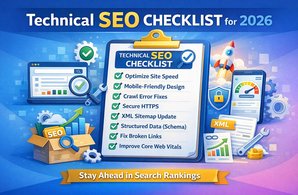
Technical SEO is the foundation that allows content and authority to perform. If Google cannot crawl, render, index, or understand your pages, even strong content may underperform.
Google’s Search Essentials recommend creating helpful content, using words people search for in prominent locations, and making links crawlable so Google can find pages through internal links.
Technical SEO priorities for attorneys
Crawlability and indexation
Important pages should be indexable. Check robots.txt, noindex tags, canonical tags, redirects, sitemap status, and internal links.
Site architecture
A law firm site should have a logical hierarchy:
- Home
-
Practice Areas
- Personal Injury
- Car Accidents
- Slip and Fall
- Wrongful Death
-
Locations
- Toronto
- Mississauga
- North York
- Attorneys
- Results / Testimonials, if compliant
- Blog / Resources
- Contact
Mobile experience
Many legal searches are done on mobile, especially urgent ones. Make sure phone numbers are tappable, forms are short, pages load quickly, and content is easy to scan.
Internal linking
Internal links help users and search engines move between related pages. A “car accident attorney” page might link to “truck accident attorney,” “pedestrian accident attorney,” “personal injury FAQ,” attorney bios, and the contact page.
Structured data
Structured data can help search engines understand business details. Google’s Organization structured data documentation recommends using the most specific subtype that matches the organization and including useful details such as name, address, telephone number, URL, and sameAs profiles, where applicable.
For law firms, Schema.org defines LegalService as a type for businesses that provide legally oriented services, advice, and representation.
Useful schema types may include:
- Organization
- LocalBusiness
- LegalService
- Person for attorney bios
- WebPage
- Article
- FAQ page where the FAQ content is visible on the page
Google’s local business structured data guidance says structured data is a standardized format for classifying page content and recommends validating structured data with Rich Results Test.
Content Strategy and E-E-A-T for Attorneys
Attorney content should build trust before it tries to convert. A potential client wants to know:
- Does this lawyer handle my type of issue?
- Does this firm serve my location?
- Is this information clear and credible?
- What happens if I contact the firm?
- Can I trust this person with a sensitive issue?
Google’s helpful content guidance says content should be created to benefit people, not primarily to manipulate search rankings.
What strong attorney content looks like
Good legal SEO content is:
- specific to the practice area
- clear enough for non-lawyers
- reviewed by a qualified legal professional where appropriate
- updated when laws, processes, or firm services change
- careful with claims
- jurisdiction-aware
- supported by attorney bios and firm credentials
- connected to next steps
Content types that work for law firms
Practice-area pages
These target commercial intent.
Attorney bio pages
Attorney bios support trust. Include education, admissions, experience, representative matters where appropriate, publications, speaking, languages, and contact options.
FAQs
FAQs help answer objections and long-tail searches. Google says FAQPage structured data applies to pages that present frequently asked questions and answers, but it also notes that Google does not guarantee rich-result display.
Legal guides
Guides can support users earlier in the decision journey.
Comparison pages
Examples include “mediation vs litigation” or “public defender vs private attorney.”
Local legal resources
Local content can be more relevant when it genuinely helps users in a specific city, county, state, or province.
Link Building, Citations, and Reputation
Attorney SEO authority is built through trust signals across the web. This does not mean buying links or mass-submitting to low-quality directories. It means building a real digital footprint that reflects the firm’s expertise and community presence.
D.C. Bar’s SEO fundamentals include link building and recommending useful content, expert contributions, colleague/vendor linking opportunities, and content partnerships.
Good link opportunities for attorneys
- local business associations
- legal directories
- bar association profiles
- legal publications
- local media quotes
- university or alumni profiles
- sponsorship pages
- community event pages
- partner organizations
- podcast appearances
- expert commentary platforms
Citation consistency
Citations are mentions of the firm’s name, address, and phone number. They help reinforce local business data. For law firms, citation quality matters more than bulk quantity.
Important citation sources may include:
- Google Business Profile
- Bing Places
- Apple Business Connect
- Yelp
- Avvo
- FindLaw
- Justia
- Lawyers.com
- local chambers
- state/provincial legal directories, where appropriate
Reputation and reviews
Reputation is both a conversion factor and a local trust signal. Review profiles, attorney ratings, testimonial pages, and branded search results regularly.
For legal marketing, always separate real client feedback from unsupported performance claims. Avoid publishing testimonials in ways that create unjustified expectations.
Measuring SEO Success for Attorneys
Attorney SEO should be measured at three levels.
Visibility metrics
- keyword rankings
- Google Business Profile visibility
- map pack rankings
- impressions in Google Search Console
- branded vs non-branded visibility
- pages indexed
Engagement metrics
- organic sessions
- practice-area page visits
- scroll depth
- click-to-call actions
- contact page visits
- consultation button clicks
- chat interactions
Business metrics
- qualified calls
- qualified forms
- booked consultations
- signed cases
- case type
- estimated matter value
- cost per signed case
- close rate by source
The most important shift is from “How much traffic did SEO generate?” to “Which organic pages and queries are producing qualified legal matters?”
What Most Attorney SEO Guides Miss
1. Compliance should shape the SEO strategy
SEO writers may want to use aggressive claims. Attorneys cannot treat those claims casually. Every “best,” “top,” “expert,” “specialist,” “guaranteed,” and case-result statement should be reviewed for compliance in the relevant jurisdiction.
2. Intake data should guide keyword strategy
Search volume is not enough. A family law firm may prefer high-net-worth divorce matters over broad “divorce questions.” A business litigation firm may prefer contract disputes over general legal advice traffic. SEO should be built around profitable, qualified matters.
3. Attorney bios are not optional trust pages
Many firms underinvest in attorney bios. That is a mistake. Bios support E-E-A-T, conversion, and branded search. They should be internally linked from practice-area pages.
4. AI search rewards clarity, not gimmicks
Google’s guidance for AI search experiences says the same core advice applies: focus on visitors, provide unique and satisfying content, ensure Google can access pages, provide a good page experience, and ensure structured data matches the visible content.
For attorneys, that means clear explanations, visible credentials, structured pages, accurate business data, and content that answers real client questions.
5. Local SEO and organic SEO should not be separated
Many law firms treat GBP optimization as one project and website SEO as another. That creates gaps. Local rankings depend on business data, website relevance, prominence, and user trust signals. The website and local presence should reinforce each other.
Common Attorney SEO Mistakes
Mistake 1: Building one generic “Legal Services” page
A single services page rarely gives Google or users enough detail. Build separate pages for important practice areas.
Mistake 2: Creating thin city pages
Do not create 50 pages with the same copy and swapped city names. Build location pages only when you can make them genuinely useful.
Mistake 3: Publishing legal content without review
AI-generated or outsourced legal content can create accuracy and compliance risks. Have qualified attorneys review sensitive content before publishing.
Mistake 4: Ignoring Google Business Profile
For local legal searches, GBP can be central to visibility. Keep data complete, accurate, and up to date.
Mistake 5: Overusing “best attorney” language
Unsupported superiority claims can create ethical and trust issues. Use factual proof instead: years in practice, jurisdictions served, attorney credentials, languages, representative experience, publications, and review platform ratings where compliant.
Mistake 6: Measuring only rankings
A keyword ranking is not a signed client. Track intake quality and signed matters.
Mistake 7: Treating SEO as a one-time project
SEO requires ongoing maintenance: content updates, technical monitoring, review management, link acquisition, and competitor tracking.
When Should Attorneys Hire an SEO Agency?
A solo attorney may be able to handle basic SEO tasks: update Google Business Profile, write a few FAQs, improve title tags, and request reviews ethically. But an agency becomes more useful when the firm needs competitive growth, technical cleanup, multi-location SEO, content production, link acquisition, or measurement tied to intake quality.
Consider hiring an SEO agency if:
- your site has technical issues you cannot diagnose
- competitors dominate local and organic results
- your firm has multiple practice areas or locations
- your content is outdated or thin
- you are getting traffic but poor leads
- your Google Business Profile is underperforming
- you need compliant content at scale
- you cannot connect SEO activity to consultations or signed cases
A strong attorney SEO audit should include:
- technical crawl and indexation review
- practice-area keyword mapping
- competitor SERP review
- local SEO and GBP audit
- content gap analysis
- attorney bio and E-E-A-T review
- backlink and citation review
- conversion path review
- analytics and call-tracking review
- prioritized roadmap