How Important are Google Reviews for SEO
- Home
- Knowledge Sharing
- How Important are Google Reviews for SEO
Optimizing a website for target keywords on Google search requires a deep understanding of the most important ranking signals that impact Google's algorithm. Site reputation has always been an important ranking factor, as it helps determine the quality of services and ethical behaviour of businesses & organizations that exist on Google search.
Google reviews on both GBPs and review aggregate websites help search engines determine if a site's reputation is positive, negative, or has a mixed opinion amongst people who have used or interacted with an organization's product or services.
In this blog post, we explore how important are Google reviews for SEO, how Google reviews help SEP, and how to get Google reviews to optimize for local SEO.
Do Google Reviews Help SEO?
Yes, Google Reviews can help improve SEO (Search Engine Optimization) for several reasons:
- Increased Visibility in Local Search Results : Positive reviews can enhance a business's visibility in local search results. Google uses reviews as a factor in determining the relevance and ranking of a business in local searches.
- Improved Click-Through Rates : Higher ratings and positive reviews can attract more clicks from potential customers. This increased click-through rate signals to Google that the business is relevant and valuable, which can improve its ranking.
- User-Generated Content : Reviews add fresh, unique content to a business's Google My Business (GMB) profile. This user-generated content helps keep the profile active and relevant, contributing to better SEO performance.
- Keywords in Reviews : Customers often use natural language that includes keywords related to the business, its products, or services. These keywords can help improve the business's search visibility.
- Trust and Credibility : Reviews build trust and credibility. A business with numerous positive reviews is more likely to be favored by both customers and search engines, leading to better rankings.
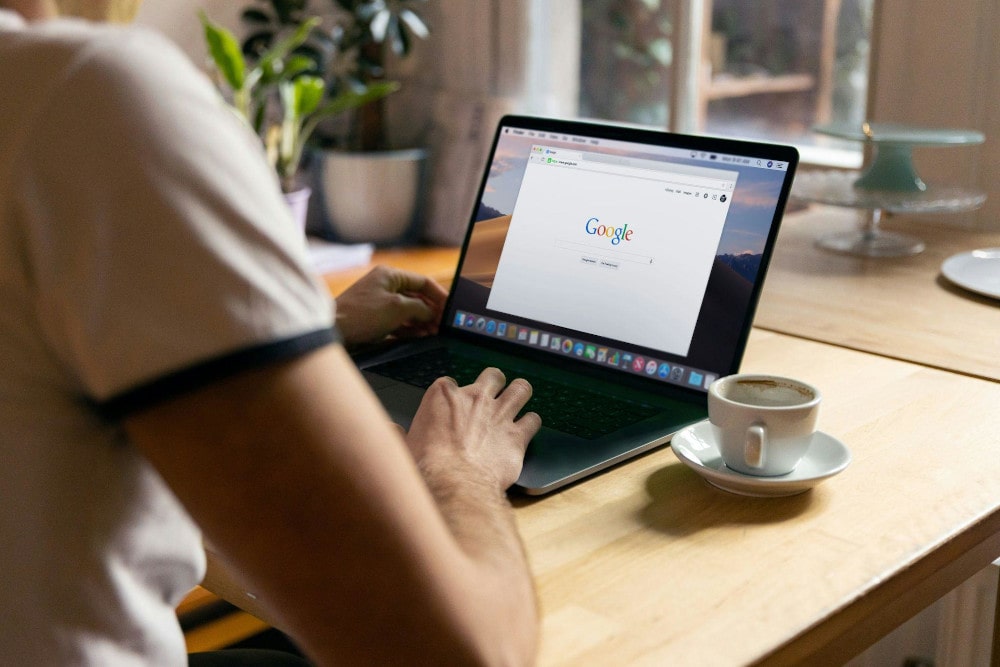
By actively encouraging satisfied customers to leave reviews and promptly responding to them, businesses can leverage Google Reviews to enhance their online presence and improve their SEO performance.
How much do Google reviews affect SEO?
Google reviews play a significant role in local SEO, though their exact impact can vary. Here are the key ways in which Google reviews affect SEO, along with some insights into their relative importance:
-
Local Pack Rankings
:
- Google reviews are a crucial factor in determining rankings in the Local Pack (the map and listings that appear at the top of many local search results). High ratings and a substantial number of positive reviews can significantly boost a business's visibility in this area.
- According to Moz's Local Search Ranking Factors survey , review signals (which include review quantity, review velocity, and review diversity) are one of the top factors affecting Local Pack rankings.
-
Organic Local Search Rankings
:
- Reviews also impact organic local search rankings (non-Local Pack results). While reviews are not as dominant here as in the Local Pack, they still contribute by signaling the quality and relevance of the business.
- Positive reviews can enhance the overall authority and credibility of a business, indirectly supporting better organic rankings.
-
User Engagement Metrics
:
- High-quality reviews can lead to increased user engagement, such as higher click-through rates and more time spent on a business's website. These engagement metrics are indirect signals to Google that can influence rankings.
-
Review Recency and Frequency
:
- The frequency and recency of reviews also matter. Fresh reviews signal to Google that the business is active and continuously engaging with customers. This ongoing activity can positively impact SEO.
Can Bad Google Reviews Hurt SEO Performance?
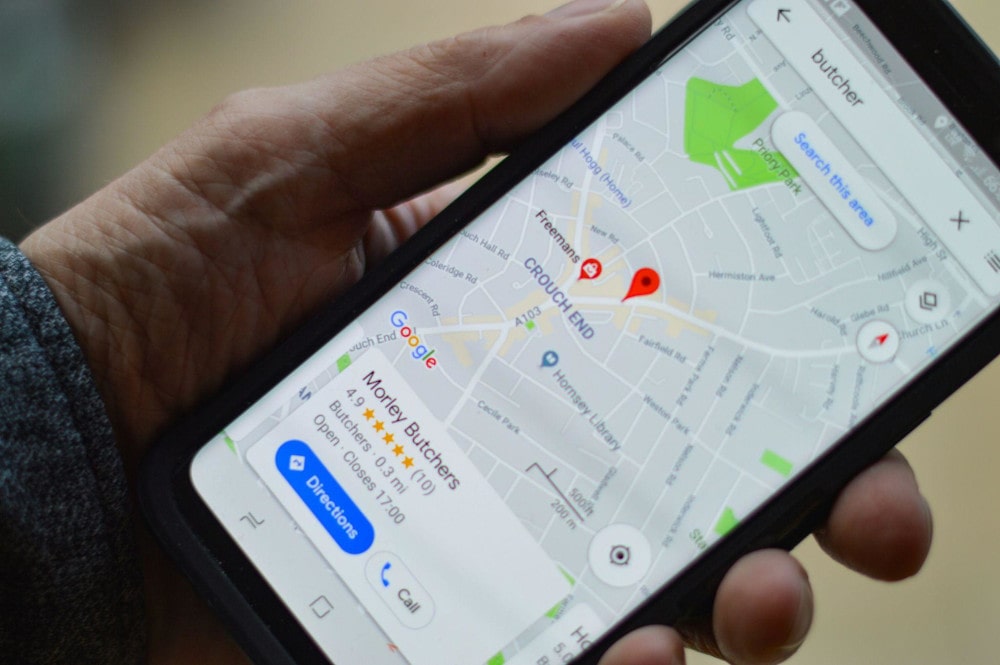
Yes, any Google review that isn't a 5-star review hurts SEO performance. A 1 - 4 star review rating typically lowers the overall star rating of a Google Business page. Having a low star rating on a GBP makes Google less likely to rank your GBP high on maps listings in comparison to competitors who have a higher aggregate rating.
Not only can bad Google reviews hurt SEO performance, but they can also lower a business's reputation and trust amongst potential customers. Word of mouth is the most influential factor in a user's buying journey, so authentic, negative reviews can cause potential prospects to run away and consider competitors with more positive testimonials.
Does replying to Google reviews help SEO?
Although obtaining 5-star Google reviews can help influence position rankings to increase for target keywords, responding to Google reviews helps reinforce brand credibility, but not rankings.
Users are more likely to consider purchasing a businesses' products or services if they can see the owner or representative's respond to reviews in GBP. Especially when brands professionally respond to 1 and 2-star reviews. Transparency & accountability are attractive qualities to potential customers.
So although replying to Google reviews doesn't necessarily help SEO in terms of keyword rankings, it does lift a brand's perception amongst its audience and prospective consumers.
How to get Google reviews local SEO
Depending on the nature of your business, obtaining Google reviews for local SEO optimization can be an easy, no-brainer decision for customers, or a difficult decision that can expose a person to possible unwanted attention.
Google Business Page QR Codes
For businesses that have physical locations, placing a QR code within an area of a store that receives a lot of foot traffic and encouraging customers to leave a 5-star review about their experince is a simple but effective strategy to consistently obtain positive Google reviews.
Email Marketing
For B2B businesses, and most service oriented businesses, sending out both an email blast and individually targeted emails can help increase 5-star reviews populated on Google. Business owners should be diligent with who they email as some customers who have had negative experiences that receive an email blast may take it as an opportunity to leave a negative review.
Private Conversations
Lastly, having a 1 on 1 dialogue with customers or patients who have used your services can be the most effective way at getting a 5-star review, although this is the most time-consuming option to solicit 5-star reviews.
For business owners of criminal defence firms, therapy clinics, and other organizations that consumers may not want to be associated with, having a private conversation with clients can be the only way to receive 5-star reviews.
Similar to email marketing, always be careful with who you ask a 5-star review from. Anyone who has had even a fraction of a bad experience with your business may leave a review that's not a 5-star review.
Conclusion
Google reviews are important for SEO as they not only can influence position rankings to increase for local listings. But they can increase the brand perception that customers who are shopping around have based on the content of your reviews.
If you are looking to increase your businesses' foothold on navigational / local keywords. Get in touch with our local search experts who can help your brand achieve top search results for your high difficulty target keywords.
Google Reviews for SEO FAQs
Do review quantity or review quality matter more for local SEO?
Both matter, but in different ways. Quantity helps establish prominence and gives Google more data to trust your business, while quality (thoughtful, detailed reviews) improves conversion by answering real buyer concerns. Aim for a steady cadence of authentic reviews rather than sporadic spikes.
How does review “recency” influence visibility and conversions?
Recent reviews signal that your business is active and consistently serving customers, which can improve local relevance. Fresh social proof also reassures shoppers that your current service level matches your rating. Build an always-on request process so you earn new reviews every week or month.
Does the mix of star ratings matter, or should I only pursue 5-stars?
A natural profile includes an occasional 3–4 star review; a wall of perfect 5s can look suspicious to users. What matters is your average rating, the volume of reviews, and professional responses that show you handle issues well. Thoughtful replies to mid-tier reviews often convert cautious shoppers.
Can keywords inside customer reviews help my rankings?
Yes, customers naturally mention products, neighborhoods, and problems solved, which can reinforce topical and local relevance. You can nudge this (ethically) by asking open-ended prompts like “What did you buy and how did it help?” Never script keywords for customers; authenticity beats keyword stuffing.
What’s the best time to ask for a review?
Right after a clear moment of value when a job is completed, a meal is finished, or a support ticket is resolved. Shorten the path to action with a direct review link and simple instructions. For longer sales cycles, schedule a follow-up once the customer has experienced the outcome.
How should I respond to negative reviews without harming SEO?
Acknowledge the issue, apologize where appropriate, and offer a concrete next step (DM, phone, or email) to resolve it. Keep replies factual and calm future readers are the real audience, and professional tone builds trust. After resolution, invite the customer to update their review (but don’t pressure them).
Are photos and videos in reviews worth caring about?
Absolutely, visuals increase engagement, help prospects evaluate quality, and can elevate your listing’s appeal in the local pack. Encourage happy customers to add a quick photo of the finished work or product in use. Rich media often gets surfaced by users filtering or scanning galleries.
How can multi-location businesses manage reviews at scale?
Centralize guidelines, but empower each location to request, monitor, and respond promptly. Use location-specific short links/QR codes and train staff on the approved ask. Track per-location metrics (volume, average rating, response time) so you can coach underperforming stores.
Is it safe to offer incentives for reviews?
No, offering discounts, gifts, or contests in exchange for reviews violates platform policies and can lead to removal or penalties. Instead, focus on great service, easy review flows, and consistent requests. If you mention reviews in-store, keep messaging neutral (e.g., “Tell us how we did”).
How do I measure the business impact of better reviews beyond rankings?
Watch listing interactions that precede revenue: calls, website clicks, direction requests, menu views, and booking taps. Track conversion rates from local visits to leads or sales after review improvements. Pair qualitative signals (common praise/complaints) with quantitative KPIs to guide service and messaging changes.