How Long Does Local SEO Take?
- Home
- Knowledge Sharing
- How Long Does Local SEO Take?
Local SEO is a specialized branch of search engine optimization that focuses on optimizing a website to be found in local search results. This is crucial for businesses that rely on local customers, as it helps increase visibility within a specific geographic area. By optimizing for local SEO, businesses can attract more nearby customers, enhance their online presence, and drive more foot traffic and sales.
One of the most common questions about local SEO is: How long does it take to see results? The answer is complex, as it depends on various factors, such as the level of competition and the current state of the business's online presence. In general, significant improvements can be seen after a few months. However, it's important to note that regular monitoring and adjustments are crucial for achieving and maintaining optimal results.
Factors Influencing Local SEO Timeline
The timeline for seeing results from local SEO efforts can vary widely and is influenced by several key factors. Understanding these factors can help set realistic expectations and guide your strategy for achieving local search visibility. Key elements include the current state of your online presence, the level of competition in your industry and location, the quality and quantity of your local citations, the optimization of your Google My Business profile, and the consistency of your local SEO efforts. By addressing these factors, businesses can improve their chances of achieving faster and more effective local SEO results.
Current Online Presence
Quality of Content and Website Structure
Importance of Optimized Content and a Well-Structured Website. High-quality, optimized content is critical for engaging your local audience and improving search rankings. Content should be relevant, informative, and tailored to address your local customers' specific needs and interests. This includes using localized keywords and providing valuable product or service information.
A well-structured website enhances user experience and search engine crawlability. This involves organizing your site with a clear hierarchy, intuitive navigation, and proper use of headings, meta tags, and URLs. A logical site structure helps search engines understand your content better, leading to improved indexing and ranking. Moreover, a well-organized website ensures visitors can easily find the information they need, increasing the likelihood of conversions and customer retention.
Google My Business (GMB) Optimization
A well-optimized Google My Business (GMB) listing is critical to local SEO. It directly affects how your business appears in local search results and Google Maps, vital for attracting local customers. An optimized GMB listing provides potential customers with essential information about your business, such as location, hours, contact details, and customer reviews. Keeping your GMB profile accurate and up-to-date, regularly posting updates, and engaging with reviews can enhance your local search visibility, build trust with potential customers, and drive more traffic to your business.

Reviews and Ratings
Positive reviews and high ratings signal to search engines that customers trust and value your business, boosting your visibility in local search results. Reviews also influence potential customers' perceptions, increasing their likelihood of choosing your business over competitors. Actively managing and responding to reviews demonstrates your commitment to customer satisfaction and can further enhance your online reputation. Overall, encouraging satisfied customers to leave positive reviews and promptly addressing negative feedback are essential strategies for improving your local SEO performance.
Local Citations and Backlinks
Local citations, which include mentions of your business's name, address, and phone number (NAP) on various websites, directories, and social media platforms, help search engines verify your business's existence and location. Consistent and accurate NAP information across the web reinforces your business's credibility and boosts its chances of ranking higher in local search results.
Consistency of NAP Information
Ensuring that your business's name, address, and phone number are identical across all online platforms prevents confusion and enhances trust with search engines. Inconsistent NAP details can lead to lower search rankings and missed opportunities to attract local customers. Maintaining uniform NAP information can improve your local search visibility and ensure potential customers can easily find and contact your business.
Phases of Local SEO and Expected Timelines
Initial Setup and Optimization (1-3 months)
The first phase of local SEO involves setting up and optimizing several key elements to establish a strong foundation for your online presence. This period focuses on ensuring your business is accurately represented and easily discoverable by search engines and potential customers.
Setting Up GMB
- Create and verify your Google My Business (GMB) profile.
- Provide all relevant information, including the business name, address, phone number, hours of operation, and services offered.
- Add high-quality photos and encourage customer reviews.
On-Page SEO Adjustments
- Optimize title tags, meta descriptions, and headers with local keywords.
- Ensure consistent NAP information across your website.
- Improve site speed and mobile-friendliness.
Initial Content Creation
- Develop localized content that addresses the needs and interests of your local audience.
- Create blog posts, service pages, and other content types incorporating local keywords.
- Set up and optimize a blog to update with relevant, locally-focused content regularly.

Building Local Citations and Backlinks (3-6 months)
Acquiring citations and backlinks is essential for enhancing your local SEO efforts. Practical strategies for gaining citations include listing your business in relevant local directories, ensuring consistency in your NAP (Name, Address, Phone number) information across all platforms, and actively managing your online presence. For backlinks, focus on creating high-quality, shareable content, engaging with local influencers, and participating in community events or sponsorships to earn links from reputable local websites.
These activities significantly influence SEO over time. Citations help search engines verify your business's existence and relevance, improving your local search rankings. Quality backlinks from authoritative sites boost your website's credibility and authority, leading to higher rankings in search results. Consistently building citations and backlinks can drive more organic traffic to your site, enhancing overall SEO performance and increasing visibility to potential customers.
Content Marketing and Ongoing Optimization (6-12 months)
Maintaining and improving your local SEO requires consistent effort and adaptation. Critical components of ongoing optimization include:
- Continual Content Creation: Regularly producing fresh, relevant content helps keep your audience engaged and signals to search engines that your website is active and valuable. This includes blog posts, news updates, and content addressing local interests and needs.
- Regular Updates to GMB and Website: Keeping your Google My Business profile and website information current ensures accuracy and relevance. Regular updates to business hours, services, posts on your GMB profile, and periodic website updates are essential for maintaining a solid online presence.
- Monitoring and Adjusting Strategies Based on Performance: Continuously tracking the performance of your local SEO efforts allows you to identify what's working and what needs improvement. Using analytics tools to monitor traffic, rankings, and engagement helps you make informed adjustments to your strategies, ensuring ongoing success and optimization.
Focusing on these ongoing activities can sustain and enhance your local SEO performance, driving continuous growth and visibility for your business.
Monitoring and Measuring Success
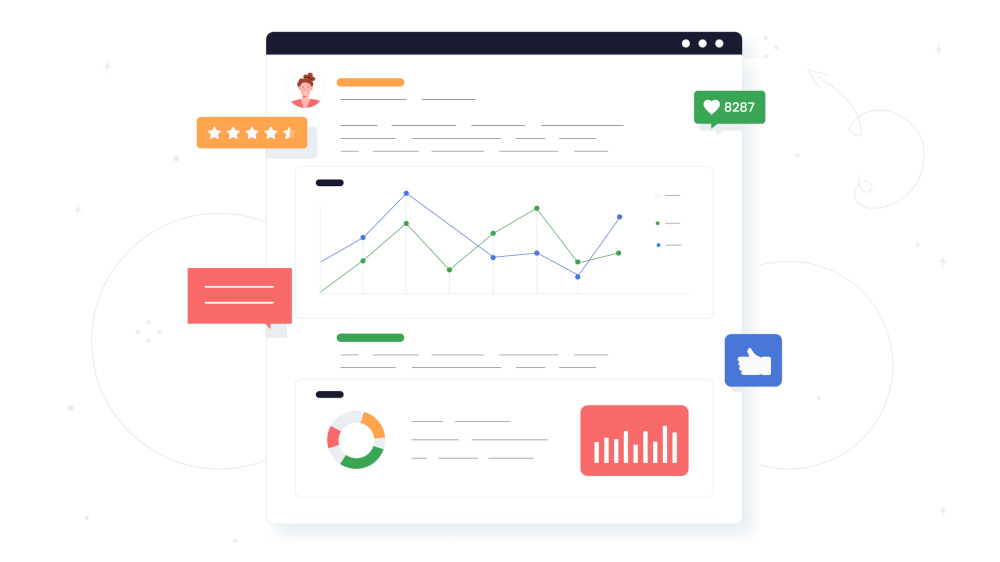
Utilizing the right tools and metrics can provide valuable insights into your performance and help guide your optimization strategies .
Tools and Metrics
- Google Analytics: This powerful tool offers detailed insights into website traffic, user behaviour, and conversion rates. It helps you understand how visitors interact with your site and identify areas for improvement.
- GMB Insights: Google My Business Insights provides data on how customers find your listing, their actions on your listing (such as calls, clicks, and direction requests), and overall engagement with your GMB profile.
- SEO Software: Tools like Ahrefs, SEMrush, and Moz offer comprehensive SEO analysis, including keyword rankings, backlink profiles, and site audits, helping you monitor and optimize your local SEO performance.
Key Performance Indicators (KPIs)
- Local Search Rankings: Track your rankings for relevant local keywords to measure your visibility in local search results.
- Website Traffic: Monitor the volume and sources of your website traffic, focusing on organic search traffic from local searches.
- Engagement Metrics: Assess user engagement through metrics like bounce rate, time on site, and pages per session to understand how effectively your content engages visitors.
- Conversion Rates: Measure the rate at which visitors take desired actions, such as filling out a contact form or making a purchase, to evaluate the effectiveness of your local SEO in driving business outcomes.
Optimize Your Local Search Presence with Seologist
Optimizing your local SEO involves several key steps: establishing a solid online presence through your website, GMB profile, and quality backlinks; creating and regularly updating high-quality, localized content; and consistently monitoring and adjusting your strategies based on performance metrics. These efforts are essential for improving your local search visibility, driving traffic, and ultimately increasing business success.
Remember, local SEO is an ongoing process that requires continuous effort and adaptation to maintain and enhance your results. To achieve the best outcomes and stay ahead of the competition, consider partnering with Seologist . Our team of experts is ready to help you optimize your local SEO strategy and maximize your online presence. Contact Seologist today to take your local SEO to the next level.
Local SEO Timelines FAQs
How quickly can a new local SEO campaign show any signs of progress?
In the early weeks, you are more likely to notice “micro signals” than big jumps in rankings, such as more impressions in Google Search Console, slightly higher map views or a few extra branded searches. According to Google’s own guidance in the SEO Starter Guide , even small changes may take several weeks to be reflected in search results, while more substantial improvements can take months. If nothing at all has moved after a couple of months, it is usually a sign that tracking is misconfigured or key basics like indexing, internal links, or profile verification still need work.
Does local SEO usually move faster for established businesses than for brand new ones?
Yes, companies with an existing website, some backlinks, and a verified Google Business Profile often see traction sooner than entirely new brands. That is because search engines already have historical data and some degree of trust in the older business. Studies on overall SEO timelines show that sites with existing authority can see meaningful results in roughly three to six months, while completely new projects often need longer to build momentum.
How does the timeline differ between ranking in the local pack and ranking in the organic results?
Local pack visibility is strongly influenced by proximity and Google Business Profile signals, so improvements to categories, photos, and reviews can sometimes impact map rankings faster than classic blue-link results. Organic listings usually depend more on content depth, technical health, and backlinks, which take longer to accrue and be re-evaluated by algorithms. In practice, many businesses see movement in map views and calls first, then slower but more durable growth in organic positions for local queries.
What factors can slow down local SEO results even when you are investing consistently?
Very competitive markets, such as legal, medical, or home services in large cities, tend to extend timelines because many businesses are optimizing at the same time for similar searches. Frequent changes to your website, brand name, or NAP data can also reset or confuse trust signals that local algorithms rely on. In some cases, broader algorithm updates or periods of manual quality review temporarily delay the impact of otherwise solid work, so patience and steady execution remain critical.
How can you tell if your local SEO campaign is on track after the first three months?
Instead of focusing only on one or two rankings, look at clusters of indicators: growth in local impressions, more discovery searches for non branded keywords, and increases in calls or direction requests from your Google Business Profile. Local industry research, such as BrightLocal’s Local Search Industry Survey , highlights how tracking these engagement metrics helps agencies and businesses judge progress before revenue spikes. If these leading indicators trend upward while technical issues stay under control, the campaign is generally heading in the right direction.
Can anything be done to safely speed up local SEO results?
You cannot force Google to rank faster, but you can remove friction that slows recognition of your improvements. That usually means tightening technical basics like site speed and mobile usability, cleaning up NAP inconsistencies, and pushing a focused surge of high-quality reviews and local citations early in the campaign. Coordinating offline activity, such as asking happy in-store customers for feedback, often accelerates trust signals without risking penalties.
What happens to your local visibility if you stop doing local SEO after you start seeing results?
Local SEO gains usually erode gradually rather than disappearing overnight. Over several months, competitors who continue optimizing content, gathering reviews, and improving their profiles can overtake your positions, especially in map results that reward freshness and activity. You may retain some authority benefits, but lead volume, call frequency, and keyword coverage often decline if the work is not maintained.
How do local SEO timelines change for multi location businesses?
Each location effectively competes in its own micro market, so some regions may respond quickly while others lag because of stronger local competitors or weaker brand awareness. Rolling out consistent structure, content, and tracking across all locations takes extra time, but it also lets you reuse what works in early winning markets. Many multi location brands phase their efforts, proving a playbook on a few locations first and then scaling the same approach to the rest.
How should business owners set expectations internally about how long local SEO will take?
It helps to frame local SEO as an ongoing growth program rather than a one time project, with clear milestones at three, six, and twelve months. You can anchor expectations using independent guidance from Google that changes often need weeks or months to be fully reflected, combined with industry surveys showing that meaningful SEO gains are commonly seen over several months rather than days. Internally, tying those milestones to business KPIs like call volume, booked appointments, or store visits keeps the conversation focused on outcomes instead of single rankings.
How much does budget affect how long local SEO takes to work?
Budget does not change how search engines crawl or index, but it dictates how many improvements you can realistically ship in a given period. With more resources, you can create better content, fix technical debt faster, and run stronger review and citation campaigns, which compounds trust signals more quickly. Lean budgets usually mean you must prioritize more aggressively and accept that progress will come in smaller waves over a longer time frame, even if the underlying strategy is sound.