Reasons Why Infographics Still Matter in SEO
- Home
- Knowledge Sharing
- Reasons Why Infographics Still Matter in SEO
Infographics and SEO: A match made in heaven?
Infographics are a hugely popular information format both in print and online. Like the video and the use of data, infographic design now appears in most internet articles; just hop onto any major media website and you'll see information delivered through one. It's true - the infographic is everywhere, and for inbound marketing, it is a must. In fact, 65% of the people that hit your page are visual learners.
Enhanced User Engagement
There are lots of reasons for this. The best infographics communicate often complicated information in a simple way. Large data sets or figures can be compressed to a more easily understandable value and, with the help of some snazzy design tricks, help the reader to appreciate what is really being said.
Aside from that, infographics are colorful and attractive. They grab a reader's attention and they hold it. High quality infographics are 30 times more likely to be read than text articles. Through a combination of images and words, they can tell a story. If someone sees an infographic in an article, they are more likely to click on that article. And it's a great way to break up a boring big chunk of text. Why read 500 words when an infographic will do?
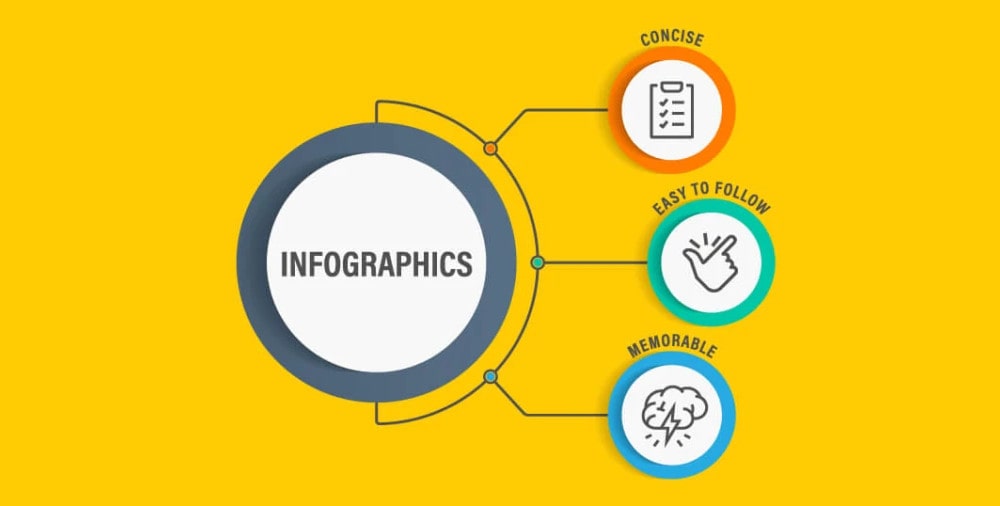
Visual Impact
But many people do not associate the illustrated infographic with SEO. After all, the infographic deals with images, not words. And to an extent that's true; you can't pack a chart or graph with hundreds of keyword phrases . You can leave a lasting impact on those who come across your content through the use of colors and images. Recent studies have shown an 82% increase in readers' attention spans and recall through the use of colors in infographics.
Despite this belief, infographics remain a fundamental part of the package for any website hoping to generate backlinks, produce proper link building, and, more generally, see traffic inflow rise.
In this article, we'll explain why infographics are an adaptable and practical means of communication and marketing and why they should remain a key part of your SEO strategy .
The Importance of Infographics in SEO: Yes, They Still Matter
Visual stimuli is known to be attractive to humans. We like the flashing lights and pretty colors. For that reason, people will often show more interest in clicking on infographics than plain text. But let's drill down into the reasons behind it.
Great Link Building Pieces
There are a million types of infographics, from education to entertainment. They're incredibly pliable and adaptable to almost any area, and this is their beauty. When an infographic is done well, it is packed with quality, researched information and figures that can be shared. When your website offers exciting tidbits of information that together form an incredible and compelling whole message via infographic, it gets shared. This will help you get free backlinks to your website .
How? By adding an embed code, when someone copies and pastes your image onto their website, it automatically creates a backlink to your site. This makes it a perfect technique for enhancing your SEO strategy.
Help with Image Search
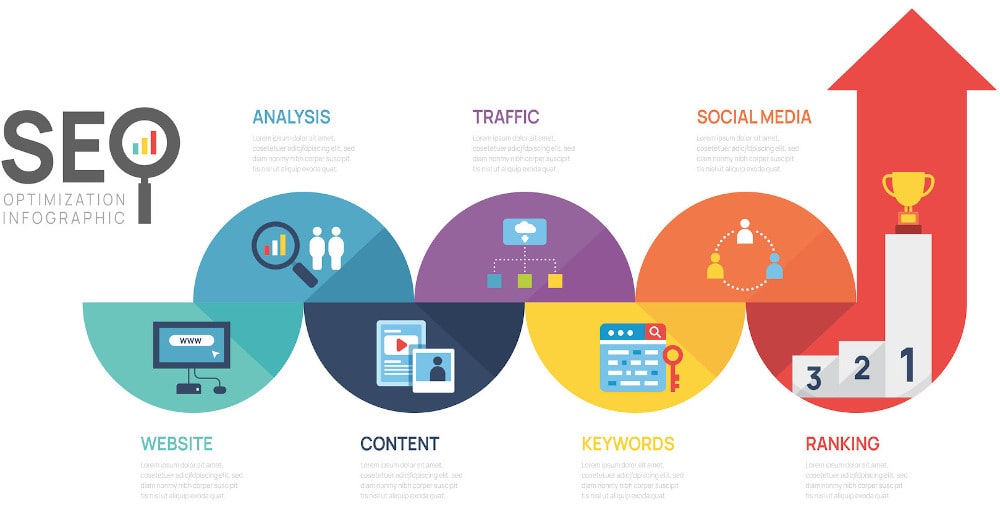
SEO is about ranking a website among the top echelons of Google search. Well, with the help of infographics, your website can climb the image search results. Visual content has significantly increased influence; today, nearly 30% of the results returned by Google are images. This is important because it's separate from the standard keyword search. So, your website is more likely to appear if people search for your information via Google's usual text-based search or images. Just make sure your infographic is jam-packed with quality information.
People Stick Around
You might think that by leaving infographics out of articles and instead including more words, people will stick around longer because it takes longer to read a mountain of words. Well, you'd be wrong. As newspapers and other websites rely heavily on advertising that demands metrics like time on page, visitors are often less inclined to stay on a page if they're met by a wall of text. Only if the writing is superb, engaging, and unique, they will remain. Lucky for you, great infographic ideas improve stick rates, meaning that people are staying longer more frequently.
Why do Infographics for SEO Still Matter?
We've looked at the whys, now let's look at the hows. In this section, we'll look at how infographics justify their inclusion within the inbound marketer's arsenal and remain a key piece of a happy, lead-generating website.
So, why is it worth including infographics in an SEO strategy?
| Reason | Explanation |
| Boost Brand Awareness |
|
| Ideal for Sharing |
|
| Adaptable |
|
| Direct Communication |
|
| Improves Attractiveness |
|
| Creates Business |
|
| Aids in Marketing |
|
So there you have it. We've listed all of the reasons to explain why infographics are an effective part of the inbound marketer's arsenal. From brand awareness to marketing and direct knowledge transfer to website attractiveness, infographics remain a major part of the SEO process.
Whether you're building SEO in Toronto , New York, or anywhere else on planet earth, you should be utilizing infographics in your strategy. Miss them, miss out.
Are you ready to harness the power of infographics for your SEO strategy? Contact us today to explore how our expertise can help amplify your online visibility and drive meaningful results.
By optimizing your content to target Featured Snippets, you can increase visibility, attract more clicks, and establish authority in your industry. Don't miss out on driving organic traffic and engaging potential customers effectively.
Contact SeoLogist today and discover how our expertise can help you dominate search engine results. Let's turn your content into your niche's go-to source for valuable information. Take action now and watch your visibility soar!
Infographics in SEO FAQs
What makes an infographic genuinely helpful for SEO instead of just looking pretty
An SEO friendly infographic starts with a clear topic that matches real searches and questions from your audience. It should live on a page that includes supporting text, headings, and internal links that explain the graphic in more depth. Search engines then have both a strong visual and enough written context to understand why the page deserves to rank. Good file names, descriptive alt text, and a short introduction above the image all contribute to better visibility.
How can I choose infographic topics that actually support my SEO goals
A useful approach is to look at your existing keyword research and identify concepts that are hard to explain in plain text. Processes, comparisons, timelines, and frameworks usually translate very well into visual form. When you turn those complex ideas into an infographic, you create a piece of content that directly reinforces the keywords and themes you are trying to rank for. Over time, a set of strategic infographics can anchor whole topic clusters on your site.
Do infographics still help if my industry is very technical
In technical fields, infographics can be even more valuable because they break down concepts that might otherwise intimidate readers. You can turn dense documentation into high level diagrams that show how systems connect, where risks sit, or how workflows move from step to step. This makes your content more approachable to non specialists without losing substance. When visitors understand your message quickly, they are more likely to stay, explore, and convert.
How should I measure whether an infographic is benefiting my SEO
Start by tracking organic traffic to the page that hosts the infographic and watch how it changes after publication. Then look at engagement signals like time on page, scroll depth, and internal link clicks to see whether people are interacting with the content. You can also monitor rankings for the main queries the infographic is designed to support and compare them to similar pages without visuals. If you see more visits, better engagement, and a higher contribution to leads or inquiries, the infographic is pulling its weight.
Are there risks to relying too heavily on infographics on a website
If every page is dominated by images with very little text, search engines may struggle to understand the full depth of your expertise. Heavy image files can also slow pages down, which is bad for both users and rankings. Some visitors may have visual impairments or use screen readers, so purely visual content can make the experience less inclusive. A healthy balance mixes strong visuals with accessible descriptions, clear copy, and fast performance.
How can infographics contribute to perceived expertise and trust on my site
Infographics are a great place to showcase original data, real examples, and the perspectives of people who know the topic well. You can highlight key figures, explain the reasoning behind your recommendations, and show the steps you actually follow in your work. When the graphic is signed off by a specialist or linked to a detailed article, it reinforces that a real expert stands behind the information. This combination of clarity and proof helps visitors see your brand as a reliable source.
What common mistakes stop infographics from helping SEO
One frequent issue is publishing the image without any descriptive text, which leaves search engines guessing about the topic. Another mistake is using vague titles or file names that do not relate to the keywords you want to target. Some teams also forget to compress images or make them responsive, which can create a slow and clumsy experience on mobile. When these technical and content gaps are fixed, the same infographic can start performing much better.
How can infographics be reused across channels without losing SEO benefits
The main infographic can live on a central page that you treat as the primary source, while smaller cropped sections appear on social posts, email campaigns, or slide decks. Each channel can point back to the original page, which concentrates authority and keeps your signals consistent. You can also turn segments of the graphic into individual images for supporting blog posts that link to the main piece. This way, one strong visual asset fuels multiple touchpoints while still strengthening a single URL.
Do infographics make sense for local or smaller businesses as well
Smaller and local brands can use infographics to explain services, pricing options, or project timelines in a way that feels transparent and friendly. Simple visuals that show how you work, what to expect, and how results are delivered can lower the barrier for new customers. These graphics can also be shared by local partners, associations, or community sites that talk about your niche. Even a modest increase in visibility from those mentions can be meaningful for a smaller company.
How often should infographics be updated to keep their SEO value
Any time the data, prices, or processes shown in an infographic change, it is worth reviewing whether the visual needs a refresh. Updating the same file or replacing it on the existing URL helps you keep any authority that page has already earned. A light redesign every few years can also keep the style aligned with your current brand and make the content feel fresh when visitors arrive from search. Treat infographics as living assets that grow with your business rather than one time decorations.