Best Backlinks for SEO: A Comprehensive Guide
- Home
- Knowledge Sharing
- Best Backlinks for SEO: A Comprehensive Guide
In the ever-evolving world of SEO, backlinks remain a cornerstone of a successful strategy. They act as endorsements from other websites, signaling to search engines that your content is valuable and credible. However, not all backlinks are created equal. In this guide, I'll walk you through the best types of backlinks, how to acquire them, and strategies to ensure they enhance your SEO efforts.
What is Backlink?
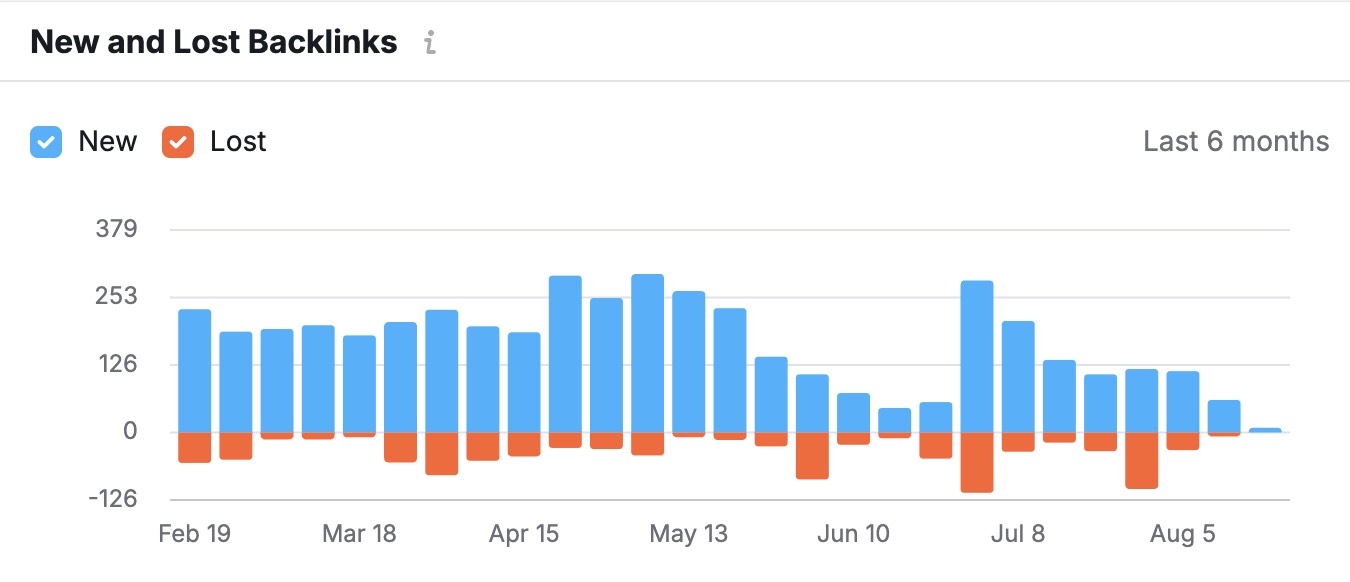
Backlinks, also known as inbound links or incoming links, are hyperlinks from one website to another. Search engines use these links as a way to gauge the authority and relevance of a site. When a reputable site links to yours, it's essentially vouching for the quality of your content. This endorsement can significantly boost your site's ranking in search engine results pages (SERPs).
Types of Backlinks
Understanding the backlink type can help you implement a more targeted and effective SEO strategy. Here's a detailed look at various backlinks, including how to obtain them and their benefits.
|
Type of Backlink |
Description |
How to Obtain |
Benefits |
|
Editorial Backlinks |
Links are naturally included in content by reputable sites. |
Create high-quality content; promote it to journalists and bloggers. |
Highly valued; enhances domain authority and search rankings. |
|
Backlinks from Guest Blogging |
Links obtained from writing guest posts on other blogs. |
Find relevant blogs, pitch quality ideas, and follow submission guidelines. |
Exposes brand to new audiences; improves domain authority. |
|
Backlinks in Business Profiles |
Links from business profile listings on directories and social platforms. |
Claim and complete profiles on popular directories; ensure accuracy. |
Enhances local SEO; improves brand visibility; and drives referral traffic. |
|
Backlinks from Webinars |
Links from hosting or participating in webinars. |
Host or participate in webinars; include site links in event materials |
Enhances authority; generates high-quality traffic from an engaged audience. |
|
Free-Tool Backlinks |
Links from offering free tools or resources. |
Create valuable tools or resources; promote them on forums and social media. |
Generates backlinks from users who find the tools valuable. |
|
Acknowledgment Backlinks |
Links are given as acknowledgment or credit for contributions. |
Engage in collaborations; be active in your community. |
Enhances credibility; boosts authority in the field. |
|
Guest Post Bio Links |
Links are included in the author bio section of guest posts. |
Write quality guest posts; ensure the bio includes a link to your site. |
Drives referral traffic; enhances site's authority. |
|
Badge Backlinks |
Links from displaying badges or awards given by your site. |
Create and promote awards or badges; encourage recipients to display them. |
Generates high-quality links; provides recognition to valued sites. |
|
Comment Backlinks |
Links are placed in the comments section of blogs or articles. |
Leave thoughtful comments on relevant blogs or forums; include a link to your site. |
Drives traffic; increases visibility. |
How to Determine Link Quality
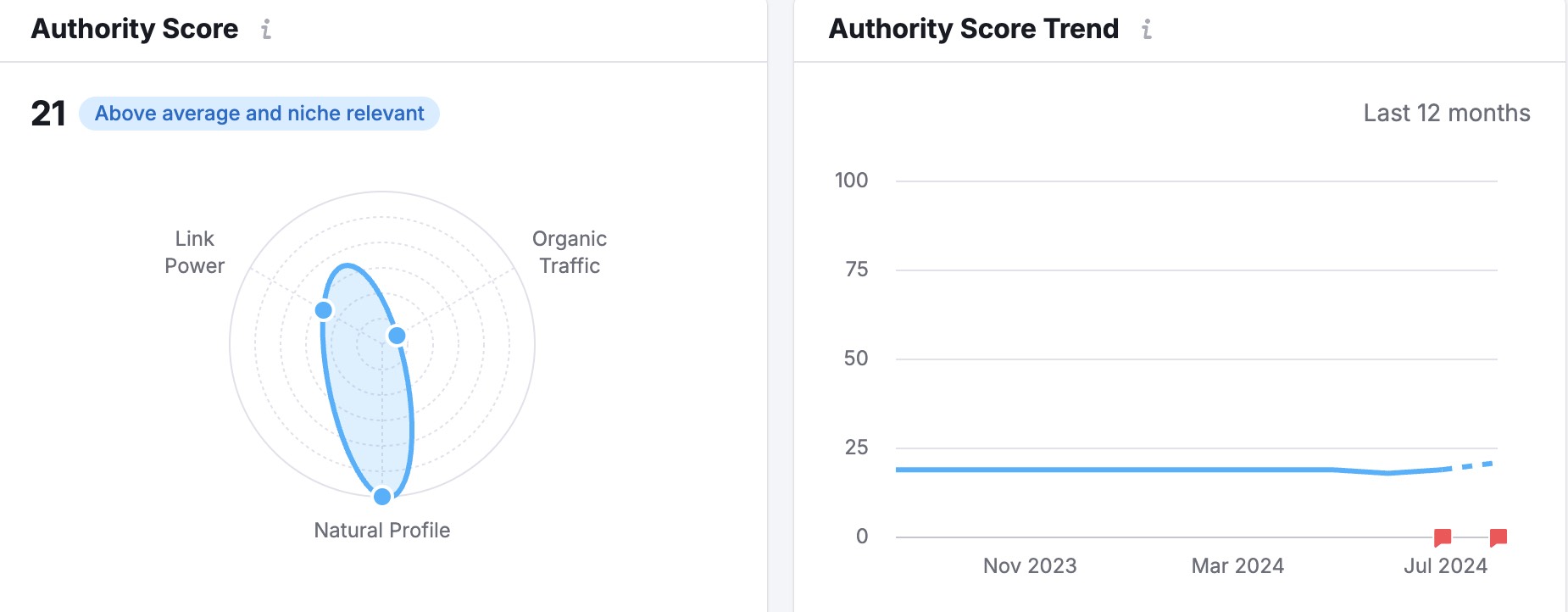
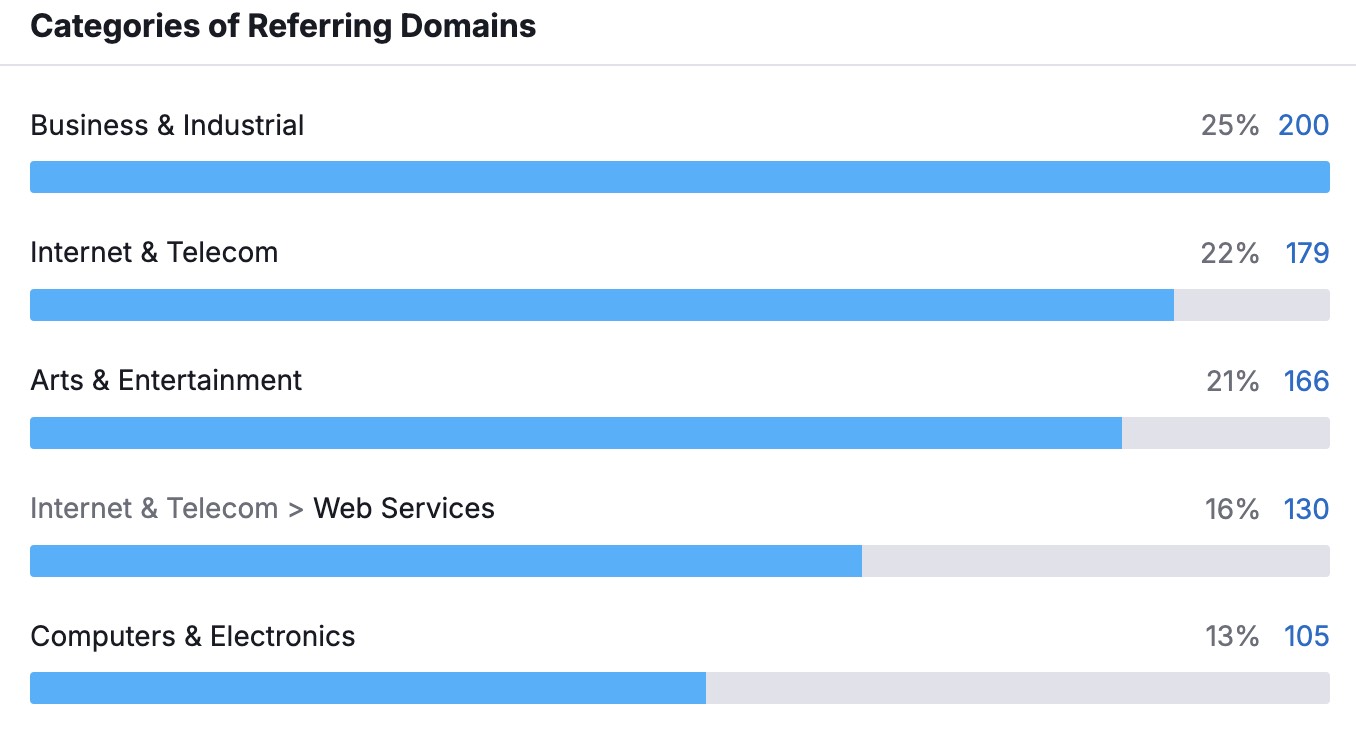
High-quality backlinks come from authoritative and relevant sites with high domain authority and within your niche or related fields. To assess link quality, consider the following factors:
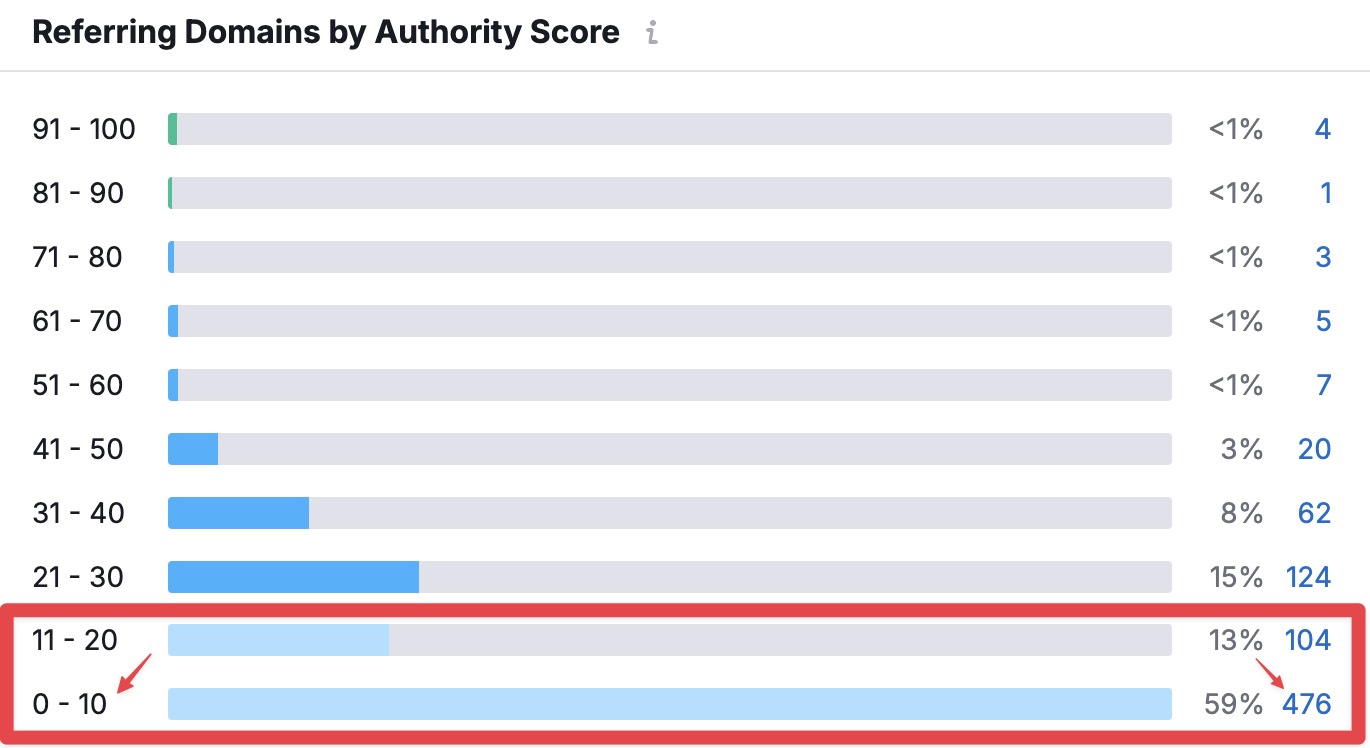
- Site Authority: Check the site's domain authority, providing the link using tools like Ahrefs, SEMrush, or Moz. Links from high-authority sites are generally more valuable.
- Content Relevance: Ensure the site and content offering the link are relevant to your industry. Links from related topics are more beneficial for SEO than those from unrelated sources.
- Historical Reputation: Investigate the site's history for any spammy behaviour or damaging activity. Sites with a clean, reputable history are more likely to provide valuable backlinks.
- Link Placement: Evaluate where the link is placed within the content. Links embedded naturally in the body of a high-quality article are typically more valuable than those in footers or sidebars.
By focusing on these criteria, you can secure valuable backlinks that enhance your SEO efforts while avoiding penalties for low-quality links.
Best Practices for Acquiring High-Quality Backlinks
Focus on Content Quality
Creating high-quality, valuable content is the foundation of any successful link-building strategy. Content that educates, entertains, or solves problems is more likely to be shared and linked to.
- Infographics: Visually appealing and easy to share.
- Research Studies: Original research or data-driven articles attract links from industry experts.
Build Relationships
Networking with influencers, bloggers, and other industry leaders can open doors to valuable backlinks. Engage in:
- Social Media: Follow and interact with industry leaders.
- Events and Webinars: Participate in or sponsor events to get mentions and backlinks.
Guest Posting
Guest posting involves writing articles for other blogs in exchange for a backlink. When done right:
- Choose Relevant Sites: Target blogs or websites within your niche.
- Provide Value: Ensure your guest posts offer unique insights or valuable information.
Broken Link Building
This technique involves finding broken links on other websites and suggesting your content as a replacement. Tools like Ahrefs and Broken Link Checker can help identify these opportunities.
- How to Implement: Find broken links on relevant sites, then reach out with your content as a replacement.
Backlink Strategies to Avoid
Buying Backlinks
Purchasing backlinks from dubious sources can result in severe search engine penalties. This practice is considered manipulative and is against most search engine guidelines.
Overusing Low-Quality Directories
Submitting your site to numerous low-quality directories can appear spammy and offer little value. Instead, focus on high-quality, relevant directories.
Link Schemes
Participating in link schemes or link farms (networks that exchange backlinks solely to manipulate rankings) can result in penalties. Always aim for natural, quality backlinks.
Tools to Help You Build and Monitor Backlinks
Several tools can streamline your backlink strategy:
- Ahrefs: Offers comprehensive backlink analysis and monitoring.
- SEMrush: Provides detailed insights into your backlink profile and opportunities.
- Moz: Useful for tracking backlinks and domain authority.
Case Studies and Success Stories
Example 1: The Case of North York Smile Centre
North York Smile Centre improved its domain authority and search rankings by focusing on high-quality guest posts.
Example 2: The Case of Barr Plastic Surgery
Using backlinks from Guest Blogging and in Business Profiles, Barr Plastic Surgery secured backlinks from high-authority sites, leading to a noticeable increase in organic traffic.
Ready to Boost Your SEO with Quality Backlinks?
If you want to elevate your website's search engine rankings with high-quality backlinks and a strategic SEO approach, Seologist is here to help. Our team of SEO experts specializes in creating effective backlink strategies tailored to your unique needs. From acquiring authoritative links to optimizing your SEO strategy, we have the tools and experience to drive your success.
Don't leave your SEO to chance. Contact Seologist today to get started on building a solid backlink profile that will enhance your online visibility and drive real results. Visit our website or call us to schedule a consultation and take the first step toward achieving your SEO goals.
Best Backlinks for SEO FAQs
How do backlinks fit into a modern SEO strategy with AI and new ranking systems?
Backlinks are no longer the only star of the show, but they are still a strong way for search engines to understand which pages are trusted. Modern algorithms combine link signals with content quality, user behavior, and spam checks, so links work best when they support genuinely useful pages instead of trying to compensate for weak content. Think of them as proof that your work matters rather than the whole strategy. Google’s documentation on spam and quality makes it clear that manipulative linking is being filtered out more aggressively over time, so sustainable tactics are the only safe option. You can see the current rules in Google’s spam policies.
What does a healthy backlink profile look like?
A healthy profile usually has links from a mix of domains, industries, and page types that make sense for your niche. You will see branded anchor text, natural sentences that happen to link to you, and some variety in which pages get attention rather than one URL with all the links. Growth tends to be gradual, driven by content, partnerships, and PR, not sudden bursts from hundreds of similar sites. If most of your links feel like real recommendations a human could explain, you are on the right track.
How important is anchor text when you are trying to earn the best backlinks?
Anchor text helps both users and search engines understand what they will find after they click, so clarity matters more than cramming keywords. A natural mix of brand names, descriptive phrases, and occasional partial keywords is usually safer than repeating the same exact match phrase everywhere. Over optimized anchors that look identical across many sites are often a sign of artificial link building and can attract scrutiny. Google’s own link guidance encourages descriptive, realistic anchors instead of keyword stuffing, which you can read about in their link best practices.
How can you prioritize backlink opportunities when your resources are limited?
Start by listing pages that already convert well or answer important questions for your audience, then look for link chances that can send the right visitors to those assets. Opportunities connected to existing relationships, such as partners, industry associations, or events, are often easier to secure and more relevant than cold outreach. You can also group prospects by relevance and authority instead of chasing every possible link. This way, you focus on a smaller number of placements that actually move revenue and leads instead of just increasing a raw link count.
Are nofollow and UGC backlinks still worth pursuing?
Even though these links do not usually pass traditional authority signals, they can still send qualified traffic and build brand recognition. A thoughtful comment on a well read forum or a mention on a busy platform can introduce you to people who later search for your brand directly. Search engines also use a wide range of signals, so a natural mix of link types helps your profile look realistic. It is usually better to earn a useful nofollow link on a great page than a dofollow link on a weak one.
How often should you audit your backlinks and what should you look for?
A regular quarterly review is enough for most sites, while very active brands may prefer monthly checks. During an audit, look for patterns of low quality domains, language or topics that do not match your business, and anchors that feel overly aggressive. You should also spot which backlinks consistently send engaged visitors and protect those relationships. If you notice a surge of clearly spammy links, you can investigate whether you need outreach or disavow action before they pile up.
Can internal links make your best backlinks more powerful?
Yes, strong internal linking helps distribute the value of a good backlink across related pages. When an important article or tool earns links from outside, you can support it by linking from that asset to relevant guides, service pages, or product categories. This creates clear paths for both users and crawlers, turning a single entry point into a network of useful destinations. In practice, that often means one great backlink can indirectly lift the visibility of several connected URLs.
How can digital PR and thought leadership help you earn better backlinks?
When your brand shares original research, strong opinions, or helpful frameworks, journalists and creators have a reason to cite you instead of repeating the same generic advice. Participating in interviews, webinars, or industry reports can lead to editorial coverage with natural links in the body of the article. These placements usually come from highly trusted domains and are hard for competitors to copy quickly. Over time, a reputation for expertise often attracts more unsolicited links than any outreach script.
What signs indicate that your backlink tactics might be too aggressive?
Warning signs include many new links appearing in a short period from sites that have nothing to do with your niche or all using nearly identical anchor text. You might also see offers for huge link packages at very low prices or placements on pages filled with unrelated outbound links. If your rankings rise sharply and then drop after a spam related update, that is another hint that search engines did not like the pattern. In those situations, it is safer to slow down, review your sources, and shift toward more selective, content driven outreach.
How should you balance getting backlinks to your homepage versus deeper pages?
The homepage often collects natural links by default, especially for brand mentions, but relying only on that page wastes many opportunities. It is useful to guide partners and publishers toward linking to specific resources such as tools, guides, or category pages that best match their context. This not only improves relevance for the reader but also helps those deeper pages stand on their own in search. A balanced profile usually has both strong brand level links and focused links into key sections of your site.