Effective SEO Tactics for 2026: Crafting Your Strategy
- Home
- Knowledge Sharing
- Effective SEO Tactics for 2026: Crafting Your Strategy
How do you develop a proper SEO strategy? What are the components of SEO strategy?
What is the best SEO strategy for 2026? How to plan your SEO strategy for any new project? These are all valid questions that inform how you will move forward. The thing to remember that different types of SEO planning work for different situations. To start, you have to define your goals.
What is SEO Strategy
An SEO strategy systematically optimizes a website's visibility and ranking in search engine results pages ( SERPs ). It involves various techniques and tactics designed to increase organic (non-paid) traffic from search engines to websites. Critical elements of an SEO strategy typically include keyword research , on-page optimization (such as improving meta tags, content, and internal linking), off-page optimization (like building backlinks ), and technical SEO (enhancing website structure and performance). The goal of an SEO strategy is not only to improve rankings but also to attract relevant traffic that converts into leads or sales, ultimately contributing to the overall business goals of the website owner
Step #1 Aligning SEO with Business Objectives and Setting KPIs
The first step in creating an effective SEO strategy is ensuring that your SEO efforts align with your overall business objectives. This alignment ensures that your SEO activities contribute directly to achieving your company's goals.
Identify your business objectives, such as increasing sales, generating leads, or building brand awareness. Then, set specific Key Performance Indicators (KPIs) that will help you measure the success of your SEO strategy in achieving these objectives. KPIs might include metrics such as organic traffic and conversion rates.
By aligning your SEO strategy with your business goals and defining clear KPIs, you can create a focused, measurable plan that drives meaningful results for your organization.
Step #2 Assess Your Current SEO Performance
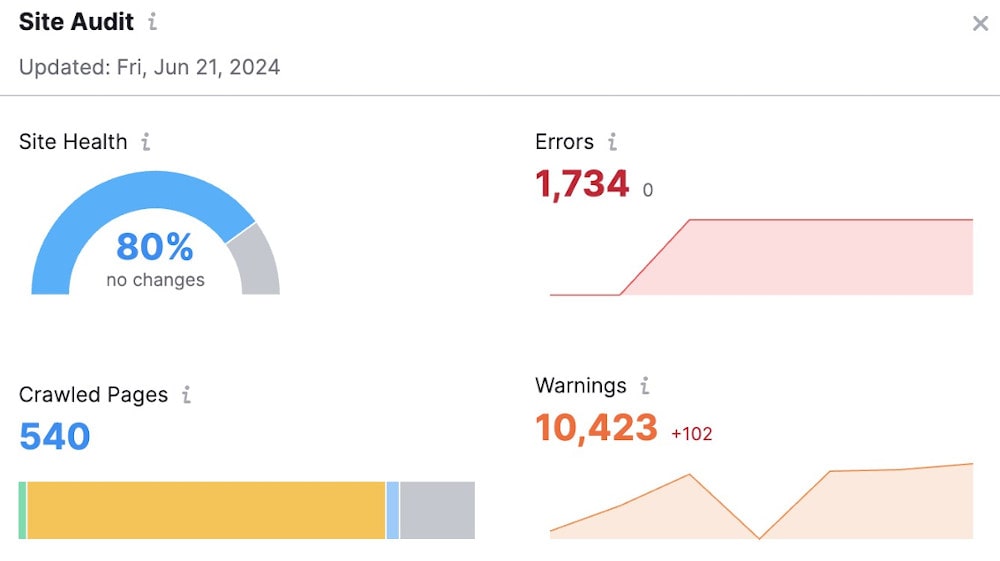
Conducting a detailed SEO audit is the crucial step to understanding the current state of your website's search engine optimization. This process involves comprehensively evaluating several performance indicators to pinpoint strengths and weaknesses. Key areas to focus on include:
- Keyword Rankings : Examine the positions of your target keywords in search engine results pages (SERPs). Identify which keywords are performing well and which need improvement.
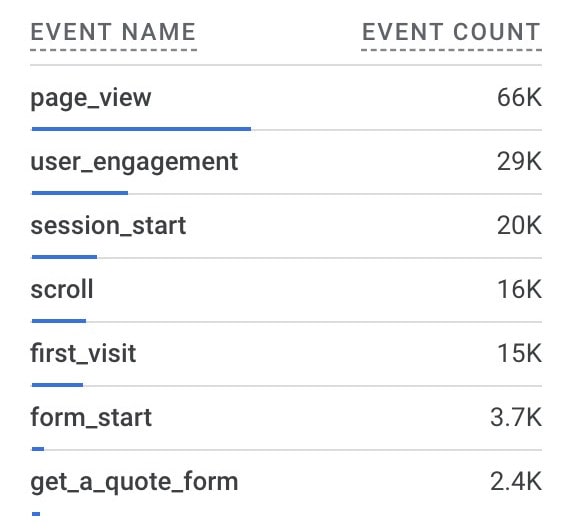
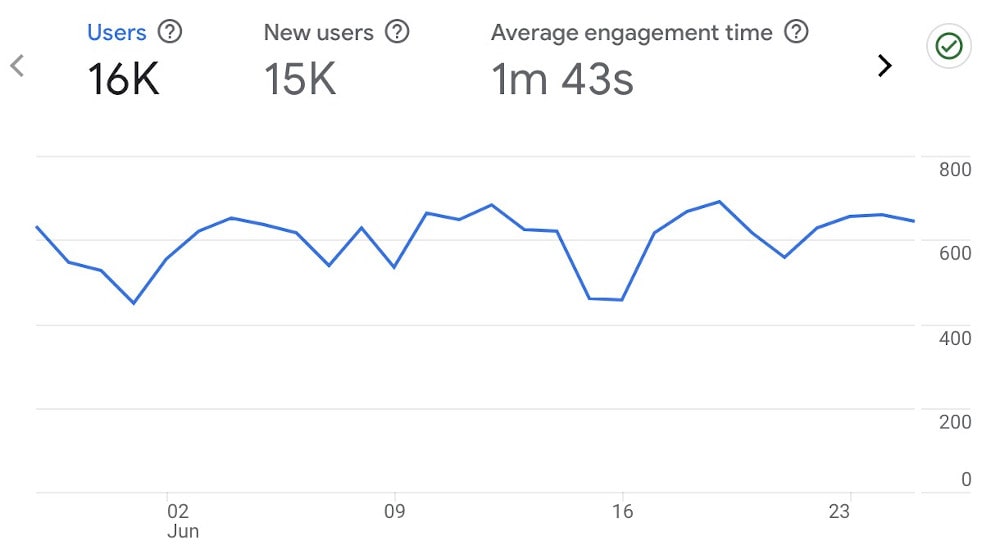
- Organic Traffic : Analyze the traffic volume your website receives from organic search. Use tools like Google Analytics to track trends and identify pages that attract the most visitors.
- Backlink Profile : Assess the quality and quantity of backlinks pointing to your site. Look for high-authority links and identify toxic backlinks that may harm your SEO.
- On-Page SEO : Evaluate the optimization of on-page elements such as meta tags, headers, content quality, and internal linking structure. Ensure that each page is targeting relevant keywords and providing value to users.
- Technical SEO : Dive deep into the technical aspects of your website to identify and resolve issues that could affect crawling and indexing by search engines. Key elements to examine include:
- User Experience (UX) : Assess your site's overall user experience, including page load times, mobile responsiveness, and ease of navigation. A positive UX can significantly impact SEO performance.
- Content Quality : Review the quality and relevance of your content. Ensure it is engaging, informative, and optimized for your target keywords. High-quality content is essential for attracting and retaining visitors.
By thoroughly auditing these aspects of your SEO, you can clearly understand your current performance and identify areas for improvement. This detailed analysis is a foundation for developing a more effective and targeted SEO strategy.
Step #3 Competitor Analysis
By examining your competitors' online presence's strengths and weaknesses, you can uncover valuable insights and opportunities to improve your SEO efforts. Competitor analysis helps you identify which keywords your competitors rank for, the quality and quantity of their backlinks, and their content strategies.

Understanding these elements allows you to benchmark your performance against industry leaders and find gaps in your strategy. Moreover, analyzing competitors can reveal trends and tactics that work well in your industry, providing a roadmap to enhance your search engine rankings and attract more organic traffic. Ultimately, competitor analysis is essential for staying ahead in the
Step #4 Boosting your Online Authority
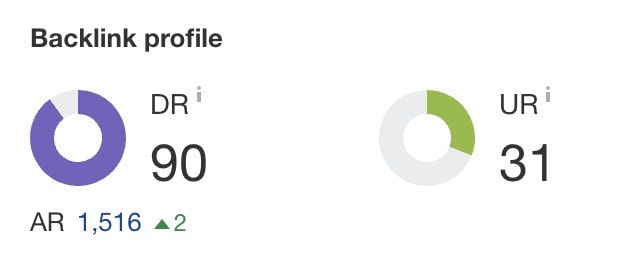
In today's competitive digital landscape, establishing high online authority is crucial for SEO success, especially for YMYL (Your Money or Your Life) websites that impact users' health, finances, safety, or happiness. Google's focus on E-A-T (Expertise, Authoritativeness, Trustworthiness) is pivotal here. By implementing strong EEAT principles, websites ensure their content is accurate, well-researched, and trustworthy, enhancing rankings and user confidence. Prioritizing YMYL and EEAT strategies is essential for maintaining visibility and credibility amid evolving search algorithms.
| YMYL | EEAT |
| Financial Advice and Investments | Expertise: Demonstrated knowledge and qualifications in financial planning, investments, and related topics |
| Medical Procedures and Health Information | Authoritativeness: Building authority through medical expertise, credible sources like medical journals, and expert endorsement |
| Legal Guidance and Regulations | Trustworthiness: Providing accurate legal advice, citing reputable sources, and maintaining professional transparency. |
| Safety Guidelines and Emergency Preparedness | User Experience: Enhancing usability with clear safety instructions, accessible navigation, and responsive design. |
| News Impacting Well-being and Financial Stability | Content Quality: Delivering timely, well-researched news with factual accuracy, relevant insights, and comprehensive coverage. |
Implementing these principles helps websites enhance credibility, improve user experience, and strengthen their authority in critical areas affecting users' lives and well-being.
Step #5 Improve your Content
Updating and enhancing existing material comprehensively is crucial to elevating your content strategy. Refresh outdated content to incorporate recent industry developments and effectively address user interests.
Update all Aspects
Refresh outdated content by replacing dead links, updating images, and revising text to reflect industry changes. This ensures all components function correctly, maintains content relevance, and optimizes on-page SEO.
Enhance Readability
Prioritize improving readability for mobile users and ensuring content is accessible and engaging across all devices. This will enhance user experience, reduce bounce rates, and improve overall site accessibility and competitiveness.
Incorporate Multimedia Elements
Integrating videos, 3D models, and interactive content enhances engagement and provides richer, more immersive experiences. This increases user interaction and retention, diversifies content formats, and appeals to different learning preferences.
Expand Content Reach
Description: Expand content coverage to address a wider range of topics and interests within your niche. Attracts a broader audience, establishes authority across various subtopics, and boosts overall site relevance and visibility.
Step #6 Frequently Asked Questions
By providing clear and concise answers to these questions on your website, you improve user experience and enhance your site's visibility in search engines. FAQs can incorporate targeted keywords and phrases that users will likely search for, boosting your site's relevance and authority in search results.
Moreover, having an organized FAQ section can reduce bounce rates by keeping users engaged and informed, ultimately leading to higher conversions and improved customer satisfaction. Integrating well-optimized FAQs into your SEO strategy helps establish trust, credibility, and expertise in your niche, making it an indispensable component of a successful digital marketing approach.
Empower Your SEO Strategy with our Team
Partnering with a skilled SEO specialist is crucial to navigating the complexities of SEO and staying ahead in the competitive digital landscape. A seasoned SEO expert can provide tailored strategies and guidance to maximize your website's visibility and credibility in search engine results. Whether you aim to increase sales, enhance brand awareness, or improve user engagement, investing in professional SEO services ensures sustainable growth and long-term success.
Take the next step toward optimizing your digital presence today. Contact a SeoLogist to discover how we can tailor an SEO strategy that aligns perfectly with your objectives, driving tangible results that propel your business forward in 2026 and beyond.
Effective SEO Tactics FAQs
How will AI powered search experiences influence SEO strategy in 2026?
By 2026, many searches will surface AI generated summaries that pull from multiple trusted sources, so SEO will shift toward becoming the most reliable and comprehensive resource in your niche. Pages that clearly demonstrate expertise, cite credible references, and answer follow up style questions are more likely to be used as training and reference signals. Instead of only optimizing for blue links, brands will design content that can be quoted, summarized, and reused across AI powered answer boxes. This means entity level optimization, clear structure, and strong author credibility will become core parts of strategy, not optional extras.
How will answer engines and chat based tools affect how you plan SEO strategy?
Answer engines and conversational tools will increasingly act as discovery channels that sit alongside traditional search results, which means your content has to be reusable in different contexts. To prepare, you will need content that explains concepts in depth, but is also broken into logically labeled sections that can be pulled as concise answers. Brands that offer original data, frameworks, or examples will stand out when answer engines decide which sources to surface. Treat these tools as an additional audience that prefers clarity, transparency, and well structured information.
How should businesses think about first party data and privacy when designing SEO for 2026?
With ongoing privacy changes and restrictions on third party tracking, first party data will become a key asset that shapes SEO priorities. Organic traffic will be one of the most stable ways to attract visitors you can later understand through consent based analytics, surveys, and on site behavior. A strong 2026 strategy will connect SEO with email, community, and product analytics so you can see how organic visitors behave over time without invasive tracking. This approach respects user privacy while still giving teams the insight they need to improve experiences.
How can brands future proof their SEO against major algorithm updates in the next few years?
Future proofing starts with building an adaptable framework rather than chasing every small ranking factor. Strategies that prioritize user intent, original insight, and technically sound websites are less likely to suffer when algorithms tighten their quality standards. Regular scenario planning, such as testing how traffic would change if one channel suddenly dropped, helps teams avoid dependency on a single tactic. By treating updates as expected events rather than emergencies, you can respond with measured adjustments instead of rushed overhauls.
What will technical SEO priorities look like in 2026?
Technical SEO in 2026 will focus heavily on speed, stability, and clean information architecture that works across devices and connection types. Search engines will continue rewarding sites that are easy for both crawlers and users to navigate, including clear internal linking and minimal duplicate content. As more results become dynamic and personalized, structured data and accurate metadata will help search systems understand which parts of your site match specific intents. Security and accessibility will also matter more, since both influence how trustworthy a site appears to humans and algorithms.
How should a company adapt its SEO approach when launching a new website in 2026?
A new website will benefit from a staged SEO rollout that prioritizes a compact but complete set of high value pages instead of launching with dozens of thin sections. Early efforts should focus on creating a strong topical foundation, earning a few relevant mentions or links, and making sure technical basics are correct before scaling content. It will also be useful to plan how search traffic fits into your broader go to market strategy, such as which pages support product launches or thought leadership. This makes SEO part of the growth plan from day one rather than an afterthought.
How can SEO and content teams use automation and AI tools without hurting quality?
Automation will help with tasks like clustering keywords, generating outlines, and checking for technical issues, which frees humans to focus on strategy and originality. To protect quality, teams will need clear review workflows where experts verify facts, refine tone, and add real experience that automated tools cannot provide. Establishing content standards, such as what qualifies as original research or acceptable sources, keeps output consistent even when AI assists in drafting. In 2026, the strongest teams will treat AI as an assistant that amplifies human judgment instead of a shortcut that replaces it.
What role will video and multimedia play in SEO strategy for 2026?
Video, interactive tools, and rich visuals will be central to how users consume information, especially on mobile and emerging devices. Search platforms already surface video chapters, key moments, and visual stories, and this trend is likely to grow by 2026. Optimizing titles, descriptions, and transcripts will help multimedia assets appear in search results and answer type features. Integrating these formats into your main pages, rather than keeping them isolated, will strengthen engagement signals and time on site.
How should international or multilingual growth shape SEO strategy for 2026?
As more businesses serve global audiences online, SEO strategies will need to consider language, cultural nuance, and local search behavior from the beginning. That means planning separate content where needed instead of relying on direct translations that ignore regional intent and terminology. Technical elements like hreflang, local hosting choices, and localized metadata will help search engines deliver the right version to each audience. A thoughtful approach will treat international SEO as a long term investment in brand trust across markets.
How can businesses connect SEO efforts with product and customer experience strategy by 2026?
By 2026, search data will increasingly be used to inform product decisions, since queries reveal what customers struggle with or wish existed. SEO insights can guide which features deserve clearer in app explanations, help center content, or new onboarding flows. In return, a smoother product experience creates more satisfied users who leave positive reviews, generate word of mouth, and lower churn, all of which strengthen brand signals in search ecosystems. When SEO, product, and customer success teams share insights, they create a loop that continuously improves both visibility and user satisfaction.