Why Consider Brand Name SEO? 4 Reasons to Promote Your Brand
- Home
- Knowledge Sharing
- Why Consider Brand Name SEO? 4 Reasons to Promote Your Brand
Before we jump into the meat of this article, let's start with some essential but straightforward definitions. What is a brand? The traditional interpretation of a brand is a non-generic name of a product produced by a private or public company. However, in marketing, a brand is what your prospective client or user thinks when he or she either uses your product or hears your name. Growing on this concept, we can then define what brand name SEO means.
SEO brand refers to an SEO strategy that uses keywords that includes any part of your brand name. For instance, here at SEOlogist, brand name SEO keywords would include SEOlogist, seologist reviews, seologist CEO, seologist blog etc.
Brand awareness
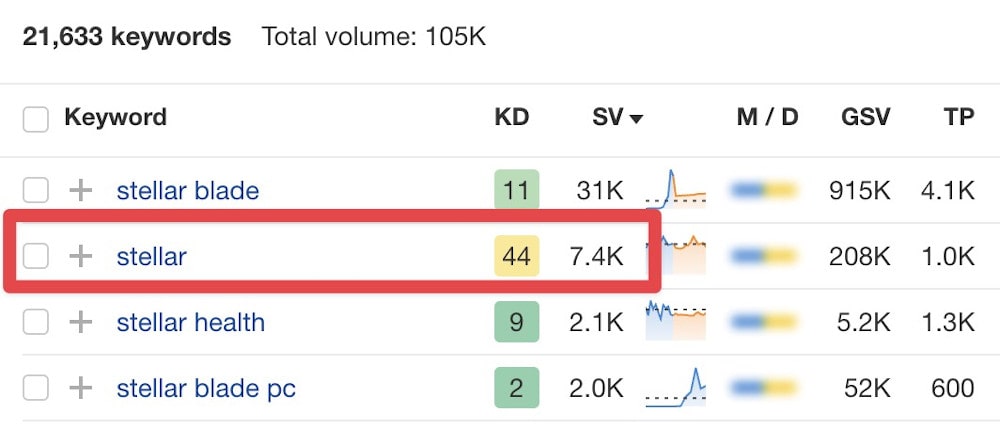
Many people don't even consider optimization for branded terms. The majority of SEO clients would say that their brand name is something that has been earned through consumer interactions and years of work, and there is no need to optimize for it. Well, this is not always true. In reality, with more and more brands and websites are popping up every day, your brand may no longer be unique. Here is an example: let's take a brand name "Stellar", who is an industrial products supplier. While googling it I've found:
- an open network for money;
- makeup line distributed by Sephora;
- boardgame;
- industrial products supplier, etc.
So, let's assume "Stellar" — calls Seologist and asks for SEO services . Chances are Stellar management would not want to include branded terms in the list of keywords and phrases to promote as it is a popular and common name. Though the company is currently on the 3rd page for "Stellar" in Toronto, chances are they do not see any reason of SEO efforts directed at promoting the brand terms as it might not be a great use of resources. SEO for brand awareness is crucial in today's competitive market, as it helps businesses ensure their brand stands out and remains memorable among consumers.
Have a look at Ahrefs data on "Stellar" in Canada:
As a business owner, you want your company and your brand to stand out in your vertical. In today's market, there are only a few companies that can rely solely on SEO or PPC for their digital marketing activities. It takes time for any digital marketing to have your brand get noticed, and even then, it might not work. For some brands, you can spend six figures, and still find yourself on the second or third page of Google. Thus, brand awareness is what most companies are aiming for in the current marketplace. Brand awareness is about how people associate with the services you provide or the goods you produce, which can then lead to a positive brand reputation.
| SEO Effort | Outcome with Brand Name SEO | Outcome without Brand Name SEO |
| Keyword Optimization | Higher ranking for branded keywords, increasing visibility for specific brand-related searches | May rank lower for brand-specific searches, reducing visibility in branded queries |
| Content Creation | Content optimized for a brand name can drive more targeted traffic | Content may drive traffic but less likely to attract users searching for the brand |
| Backlink Strategy | Backlinks with brand name anchor texts improve brand authority and recognition | Backlinks without brand name focus may improve authority but less impact on brand recognition |
| Local SEO | Higher chance of appearing in local searches for the brand | Less likely to appear in local searches specifically targeting the brand |
| Social Media Integration | Increased brand mentions on social platforms drive direct searches for the brand | Social media efforts may not directly translate to increased brand-specific searches |
| User Engagement | Higher user engagement due to familiar brand-related content | Engagement may be lower as content may not resonate as well without brand focus |
| CTR (Click-Through Rate) | Higher CTR due to brand recognition and trust | Lower CTR as users may not recognize or trust the non-branded search results |
| SERP Features (Rich Snippets) | Higher chances of appearing in rich snippets with brand name | Less likely to appear in rich snippets without brand focus |
| Conversion Rate | Higher conversion rates due to brand trust and recognition | Lower conversion rates as users may be less familiar with the brand |
| Competitor Analysis | Easier to outrank competitors for branded keywords | More difficult to outrank competitors without brand name advantage |
Proper Page Optimization
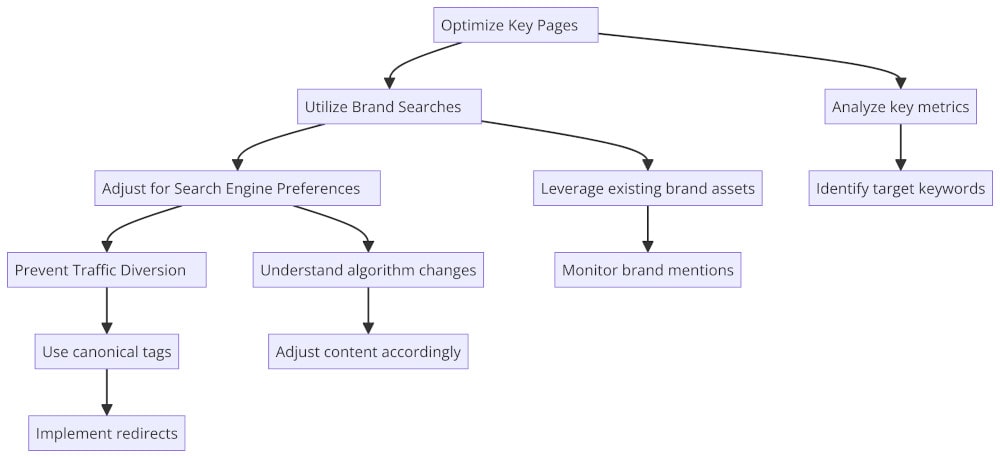
Proper website setup is essential for your business's success. Simple things like appropriate optimization and website order help drive consumers to the right parts of your site.
Key Points for Proper Page Optimization:
-
Drive Traffic to Key Pages:
Optimize your site to guide users to important contact or sales pages. Ensure that these pages are easily accessible and prominently featured. -
Brand Searches:
Utilize brand searches to generate page views through direct searches or links on other pages. Leverage your brand name to attract traffic and enhance visibility. -
Search Engine Preferences:
Search engines may prefer inner or advertised pages over your main page. Ensure that your main pages are well-optimized to rank higher and avoid losing traffic to competitors. -
Avoid Traffic Diversion:
Prevent potential issues where consumers searching for your brand may end up on competitors' pages. Regularly monitor and adjust your SEO strategy to maintain your brand's visibility and relevance.
The Dilution of your anchor-texts
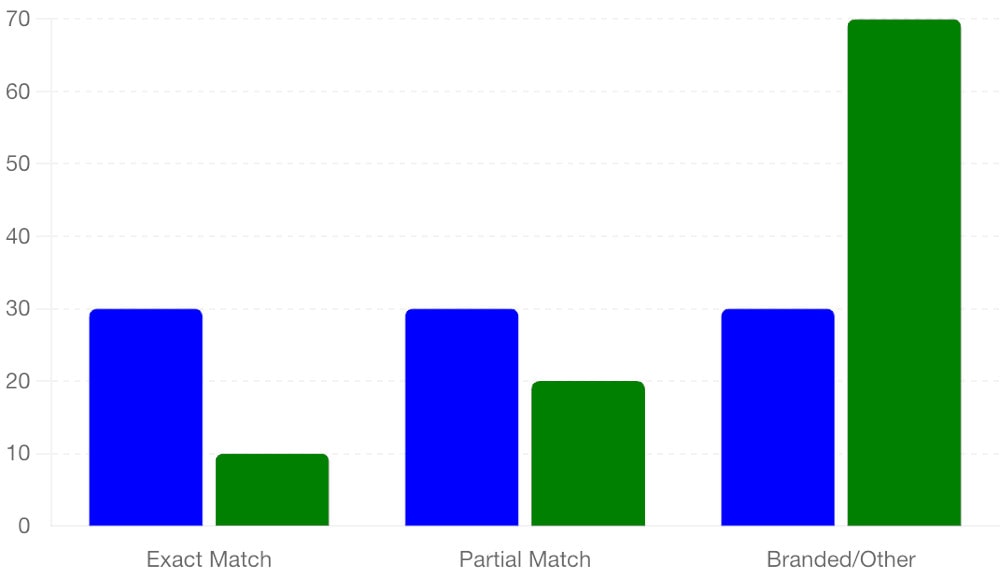
Probably every SEO specialist has found themselves in a situation when there is an abundance of commercial keywords used as anchor-texts which may lead to the over-optimization filter if left unattended. Since acquiring backlinks with exact match anchor texts only leads to the worsening of rankings or does nothing - your position would remain stable. Brand mentions SEO can significantly enhance a company's online visibility and reputation by ensuring that references to the brand across the web contribute to its search engine ranking.
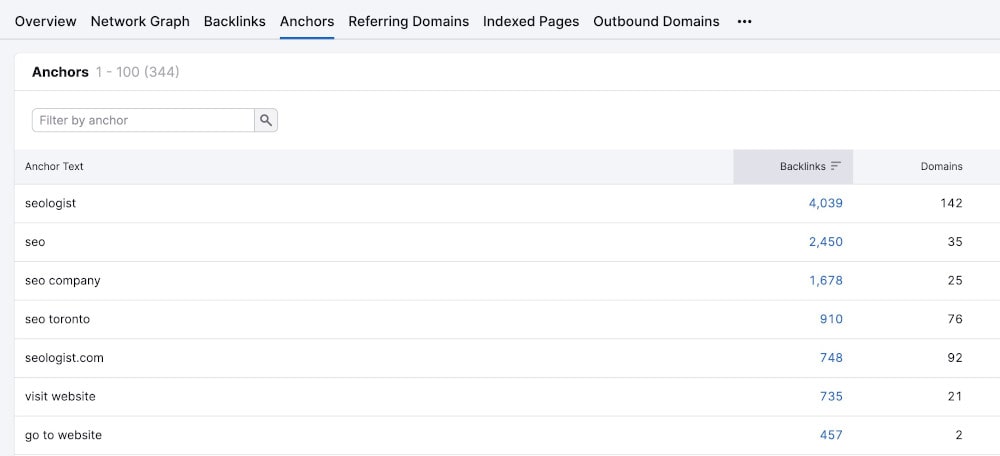
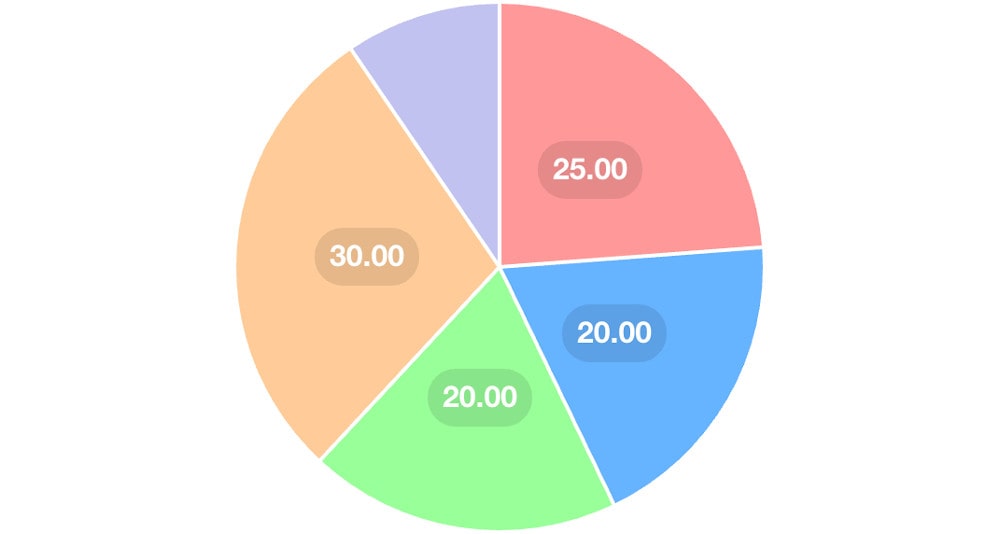
Thus, it is vital that you flag and correct the issue with the exceeding amount of targeted commercial keywords. This correction will include the addition of your brand name to the list of anchors. You will need to mix the list of anchor texts to ensure your plan is organic and safe for search. Most SEOs utilize anchor-distribution spreadsheets that help to track the number of anchors broken down by type, frequency, attributes. The well-known traditional distribution model: 30/30/30 (commercial keyword / URL anchor / Brand anchor) may become obsolete in the current organic search environment.
Secure your brand reputation
Working to secure your brand reputation is something that often stays overlooked for years until there is an issue. Imagine having to deal with your brand being linked to scams, illegal activities or something else. It will be a significant challenge to lead a successful reputation management campaign and get any measurable results in a short period.
Most business owners take the necessary steps to secure their brand or trademark by registering their brand on all possible and common domain endings (TLDs and ccTLDs) and call it a day. However, the task is not complete, as their brand may still be vulnerable to misuse, hijacking, misrepresentation or any other illegal or shady activity. So, what can you do to ensure that you maintain complete control over your brand mentions, and to make sure that your brand stays untouched?
- Pay attention to how your brand name is used in the blogosphere and social media. There are tons of tools that allow you to continually check your brand mentions, analyses the context where your brand name is mentioned and notify you of any suspicious mentions. Tools such as Social Mention, Hootsuite, Awario and even SEMrush will help you with this task.
- Regardless of the reports from automatic tools previously mentioned, try to make it a habit to manually do a brand search like "your brand", "your brand + review(s)". This way, you always stay alert about what's happening around your brand name and what reviews people leave on Google Maps, Homestars, Trustpilot, Facebook, etc.
- Finally, develop a detailed strategy of how you will go about securing the top 20 Google search results with your brand. Why top 20, you may be asking? Simply because any negative mention, any undesired result from the second page might easily jump to the first page either naturally or might be a result of deliberate on- and off-page negative SEO efforts from your competitors. Developing this consistent and calculated strategy will ensure that all 1st and 2nd-page organic results are earned, and your brand reputation remains safe.
Conclusion
Whether you are looking to launch a new brand or have an established brand that you are looking to protect, brand name SEO is a great way to ensure that your brand can flourish. Whether it is securing those top 20 Google search results or ensuring that your brand is not compromised on social media or blogs, a consistent and detailed SEO strategy focusing around your brand can make this a reality. Optimizing your personal brand for search engines can help you stand out online, making it easier for clients to find and connect with you.
If you're ready to take your brand to the next level and ensure its online success, contact SEOlogist today. Our team of experts is here to help you develop and implement a comprehensive brand name SEO strategy tailored to your unique needs. Let's work together to make your brand stand out in the digital landscape.
Brand Name SEO FAQs
How do I know whether investing in brand-name SEO is working?
Track branded impressions, clicks, and CTR in Google Search Console for queries containing your name and variants. In analytics, create a branded segment that groups those queries and monitors assisted conversions and revenue. You should also benchmark SERP real estate gained (site links, knowledge panel, review stars) and watch for declines in competitors’ visibility on your brand terms.
What if my brand name is generic or shared with other entities?
Start by owning the modifiers that disambiguate you (e.g., “Brand + industry,” “Brand + city,” “Brand + service”). Build consistent entity signals with organization schema, a complete Google Business Profile, and the same NAP across directories. Support that with authoritative “About,” press, and careers pages that clearly state who you are and what you do.
Should I bid on my brand name in PPC if I’m focusing on SEO?
Yes, brand bidding is cheap, defensive, and lets you control messaging and sitelinks even when you already rank #1 organically. Run incremental lift tests by pausing brand ads in a limited region or time window to quantify the impact on total clicks and conversions. Keep copy aligned with organic titles to create a dominant, trust-building SERP.
How can I reduce confusion from misspellings and brand variations?
Identify common misspellings, spacing, and punctuation variants in Search Console and your site search logs. Create a style guide, use smart internal linking with canonical spellings, and include variants in FAQ or glossary pages naturally. Where appropriate, 301-redirect variant domains and set up custom search campaigns to capture those queries.
Which on-page elements strengthen branded SERP ownership?
Use clear page titles that begin with your brand on key corporate pages (Home, About, Contact, Careers, Press). Implement Organization, Website, and LocalBusiness schema (as applicable) to reinforce entity data, and enable the sitelinks search box with proper markup. Add structured, consistent “About the brand” copy across your top templates to unify signals.
How do social profiles influence branded search results?
Verified, active profiles often occupy page-one slots and push unhelpful results down. Standardize handles, bios, and links, and interlink profiles with your website and knowledge panel where available. Maintain a steady cadence and pin key posts so searchers who click through see current, trust-building content.
What role do reviews play in brand-name SEO?
High-quality, recent reviews on Google, industry platforms, and first-party testimonials improve trust and can earn rich results for branded queries. Build repeatable workflows for requesting, responding to, and tagging reviews by product or location. Monitor sentiment trends and route recurring issues to product or support teams to close the loop.
How should I prepare for branded reputation risks or crises?
Create a pre-approved content and response plan that includes a media page, executive statements, and a Q&A hub you can publish quickly. Maintain diversified, ranking assets (newsroom, blog, help center, social posts, partner pages) so you can outrank volatile or negative items. Track brand mentions with alerts and escalate responses based on severity and source authority.
How does brand-name SEO scale for multi-location or international brands?
Localize branded pages with unique NAP, hours, FAQs, and review widgets for each location, and link them from a location finder hub. For international sites, use hreflang, local ccTLD/subfolders, and localized social profiles to align each market’s entity signals. Maintain a master brand style guide to keep naming, metadata, and schema consistent globally.
What analytics setup best captures branded performance end-to-end?
Build Looker Studio or BI dashboards that blend Search Console (branded queries), GA4 (landing page and conversion paths), and ad platforms (brand campaigns). Segment conversions by branded vs. non-branded first touch and last touch to see how brand demand interacts with other channels. Add alerting for sudden changes in branded CTR, CPC, or review volume so you can act before issues spread.