SEO Backlinks Building Strategy in 2026
- Home
- Knowledge Sharing
- SEO Backlinks Building Strategy in 2026
Introduction:
Today's search engine optimization has evolved, and for those of us that are lucky enough to operate within this growing and often challenging field, the keys to a successful project are all balanced on 3 pillars. These pillars have changed over the years, and with these changes have come to a new generation of specialists that have bought in and leverage the importance of link building.
-
Pillar One
Content - As the saying goes, content is king, and you can utilise your existing or new content within your SEO link building strategy to drive clicks and views organically. -
Pillar Two
Rankbrain - Rankbrain is a search engine tool/feature/notion within Google that sees machine learning, which is one of the building blocks of artificial intelligence, interpret search queries and drive traffic to a site based on links and content. -
Pillar Three
Links - Links have always been a key to SEO, but with recent changes to Google and other leading search engines, SEO backlinks and the ability to utilise content link building is more important than ever.
With the pillars touched on, let's jump into pillar one, content.
Content

Content is something that is often overlooked in terms of SEO and content is especially overlooked as something associated with how to get genuine backlinks. The thing is, content is king, and engaging content can attract quality link building from outside sources and can drive traffic to your site like never before. So what type of content is best to focus on?
There are a couple of schools of thought on what type of content will drive and traffic and can answer the question that many of our clients have, which is how to get high pr backlinks. We have found three types of content, in particular, have proven to attract links naturally.
1. Infographics
Infographic content is the favoured way in which to attract links, and the reason is quite simple, people love images. An image is not only easy to understand, but the human mind can process an image in a fraction of the time that it can process text. Due to this, infographics that can deliver exciting or relevant data can be the stepping stone to genuine links.
2. White Papers
Long form content is not only a great way to generate genuine interest in your site, but it can add significant value to your brand that will make competitors and partners want to link to the work you have done. White papers can be tough to write, and we would suggest engaging with a quality writer that can add a fresh perspective to an industry-wide problem. This kind of content can help in building link support, and most importantly, will start to get eyes on you and your work.
3. Videos
Who says content only needs to be on the page? Video content is not only an engaging method but has a massive potential to draw links. There is no set way to building links in video content, but the key is to speak to your audience and know what they want to see. This can be anything from behind the scenes footage at the office to some viral content shot in the local neighbourhood; it is all up to you.
Whether you are doing it through infographics, long-form content such as white papers or videos, content is a great way to build links and to generate an organic following to your social media and web presence.
Rankbrain

Rankbrain is the next generation of machine learning that Google has rolled out on its search engine platform. Built from the successes of Google Panda, Rankbrain can make educated guesses on behaviour patterns from users to determine if a link is genuine or fake. For Google and Rankbrain, the two main focuses for their algorithm seems to be dwell time and bounce rate.
These changes to Google's algorithm through Rankbrain are why many in the industry stated that link building was dead. The thing is, it isn't, but what Rankbrain has done is made certain types of link building in SEO obsolete.
First, paid link building has become a little less popular, as there is no longer a way to guarantee to get your content linked and up to the number one space. Instead, many backlink guides, including this one would suggest that you still look for links, but organically.
No longer are you looking for a prized site to link your content. Instead, it would be best if you started producing content that is worth linking to. The emphasis is now on generating quality content, and Rankbrain can tell the difference between engaging content and something that was thrown together based on the dwell time of users.
So, is the link building game dead with Rankbrain? Far from it, instead link building is a skill and a fundamental pillar in the overall SEO backlink toolbox. However, one thing to note is that today's links are without the black hat SEO backlinks that used to plague the industry before Rankbrain, and that is something that we as an industry should celebrate.
SEO Links

Many of you are reading this right now and asking a simple question, how to get backlinks how. This might seem simple, but, it is why backlinks SEO tutorials exist! However, that is for another time, and in this section, we are going to take you on a crash course to ensure you know what we mean when we say what is the SEO backlinks meaning.
The Factors to look for
When you are looking at building link support , you need to consider a few factors.
First, you need to ensure that you are looking to source from, or for a related company. If you are a fishing company, sourcing from a construction company will do nothing for the algorithm or your readers.
Secondly, you need to ensure that the link is somewhat fresh, and not from the mid-2000s.
Third, you need to look for a company or brand that has some domain authority, and ideally, a company that is on the first page of Google.
Fourth, it would be best if you looked for sites that have a quality citation flow, or the amount of influence a link could generate, and excellent trust flow which measures the quality of a link. Hint, you can use an SEO backlink checker to check the citation flow and trust flow of a possible link!
Finally, you will want to ensure that you are linking to an authentic source that will have relevance.
How to get SEO backlinks
So, you know the factors that you are looking for, and now you need to get some actual backlinks. You can try to Google SEO backlink, but you might not get what you are looking for. Instead, there are three traditional ways to get backlinks:
1. Outreach
Outreach is all about using and building a network of trusted industry partners to share links and cross-promote your content. Your network can be built through referrals, cold calls or even at industry events, but the important thing is that you create a diverse and authentic network in which you can grow and attract new genuine traffic from.
2. Sponsored Postings
Sponsored postings, otherwise known as the process to buy SEO backlinks, is a great way to build an initial audience. This can be done through larger blogs or platforms and will ensure that your content gets in front of new eyes every day. This can help some expedite the network building, but you pay for what you get, and sponsored posts can be expensive.
3. Skyscraper Technique
One of the oldest methods of link building is skyscraper technique link building. This technique requires you to find a linkable asset on the web that has started to generate some buzz. Next, you improve this product with your ideas, or make the original idea a little longer; a top 15 list can be changed to a top 20 list for instance. Finally, you reach out to your network to showcase your great content and get it linked. It is a tried and tested method but does take some skill and an existing network to gain traction.
How to check backlinks
Finally, and most important for some, is how you check backlinks. As we mentioned, some great products can complete backlink analysis in SEO right on your browser or desktop, which makes checking backlinks seamless. There are also SEO backlink building software bundles that can do the work and produce quality links for the user with a few clicks of a button. Some of our favourites include:
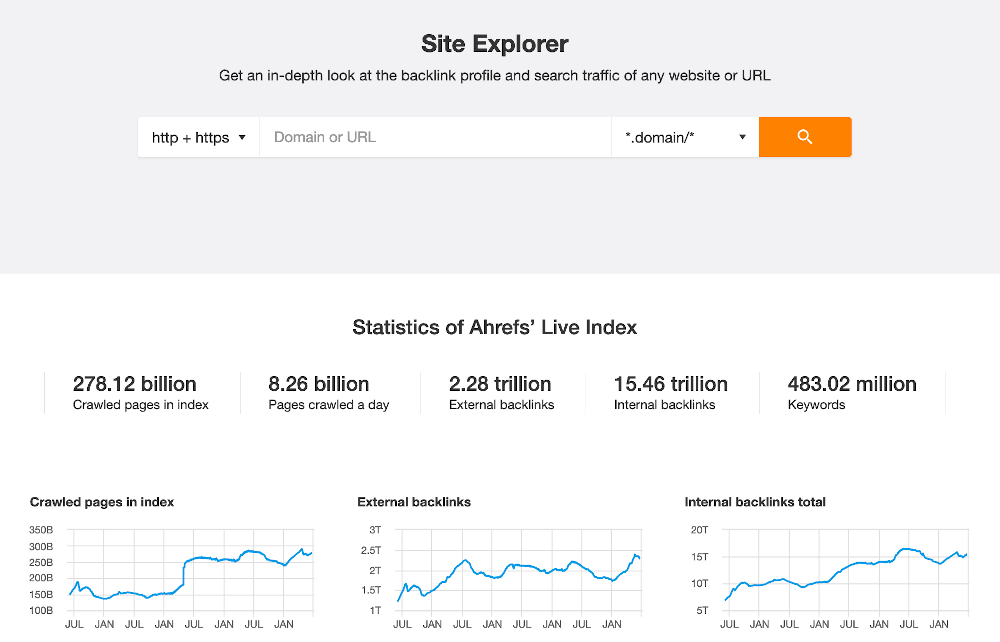
Ahrefs is an SEO tool that has gained an excellent reputation in the SEO world. This product delivers competitive analysis, keyword research, backlink research, content research, rank tracking and more for a nominal fee. Ahrefs is the industry standard and is used by some of the largest Fortune 500 companies with great success.
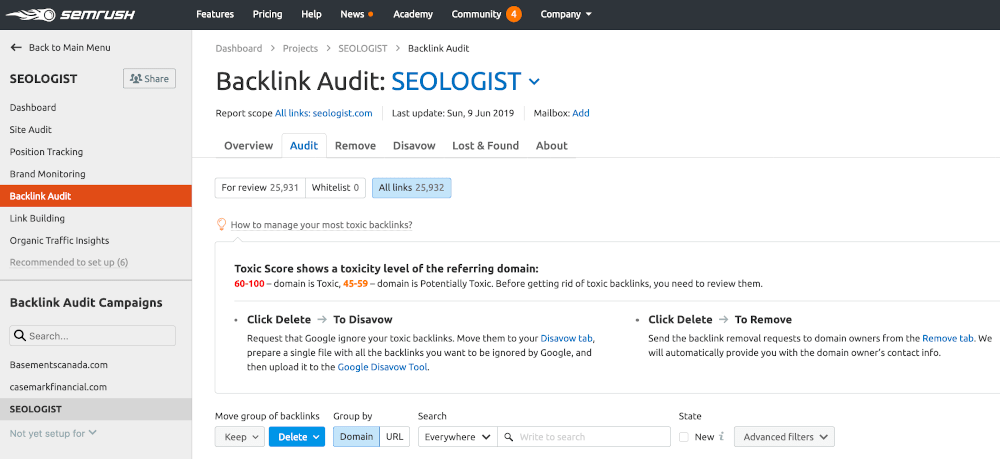
Semrush is an all-in-one marketing tool that is designed for small and medium enterprises to get the most bang for their buck. With built-in SEO tools, social media tools and more, Semrush is an excellent alternative for those looking to get a more rounded marketing tool for their business.
Final thoughts
Building a backlinks strategy in 2026 is no easy task. You need to do three things well to be successful in creating a backlink strategy.
You should find content that is worthwhile and engaging that will generate buzz and drive industry leaders to want to link to your work.
You should find a way to work with Rankbrain and link to authentic and relevant sources to score well with the crawlers and overall search engine algorithms.
Finally, you should build links with quality and positive interactions and do it all while empowered with top-notch tools that can check and research your links against 3 trillion URLs.
We live in competitive marketing space, and although there are tools to help, link building is best done by a professional. Backlinking is a skill, and although there is always more to learn, the experts at Seologist has you covered. Call us today and see how we can help your business with quality backlinking and SEO that is designed to work in today's Rankbrain empowered world.
SEO Backlinks Strategy FAQs
How will a sustainable backlink strategy in 2026 differ from what most brands did a few years ago?
By 2026, link building is less about chasing quick wins and more about building a consistent pattern of trustworthy mentions across the web. Search engines pay closer attention to how people interact with linked pages, not just where links come from. A sustainable strategy plans link acquisition like a brand campaign, with clear themes, audiences, and timelines rather than one off placements. That mindset reduces risk and supports stable rankings even as algorithms change.
What role will user engagement play in evaluating backlinks in 2026?
Backlinks that send visitors who stay, explore, and interact with your site will carry more weight than links that drive brief, low quality visits. Search engines can compare engagement from different referring domains and spot patterns that look artificial. If most clicks from a domain bounce immediately, that domain is unlikely to help you long term. In 2026, strong engagement becomes a signal that the link genuinely helps users rather than existing only for SEO.
How should I think about topical authority when planning backlinks in 2026?
Instead of collecting links from any high metric site, focus on building a dense web of mentions within your own subject area. A brand that consistently appears in articles, resources, and discussions around the same themes looks more credible than one that appears randomly in unrelated topics. When you evaluate opportunities, ask whether a reader would realistically expect your brand to be linked in that context. Over time, this concentration of relevant links helps search engines recognize you as a go to source on your core topics.
What is the safest way to use AI in backlink outreach and relationship building?
AI can help draft outreach emails, summarize prospects, and suggest angles, but human judgment should decide who to approach and how to personalize messages. Smart teams treat AI as a brainstorming partner, then refine the final copy so it feels genuine and specific to each site owner. The same applies to prospect research, where AI can highlight potential partners but people confirm fit, tone, and values. In 2026, authenticity in communication still determines whether someone wants to link to you.
How can brands in 2026 build backlinks without relying on traditional guest posting playbooks?
Co created resources, joint research, and community initiatives often attract links more naturally than a series of one off guest articles. For example, collaborating on an industry benchmark, hosting a recurring roundtable, or building a useful tool can lead to multiple mentions from partners and participants. These projects turn link building into long term partnerships instead of isolated content swaps. As they grow, they create their own momentum and earn references you did not request directly.
What should a risk management plan look like for backlink profiles in 2026?
A risk plan starts with clear rules about which types of sites you accept links from and which patterns you avoid, such as clusters of identical anchors or obvious link hubs. It also includes regular reviews of new referring domains, so you can spot suspicious activity early and decide whether to disavow or ignore it. Documenting how each major link was earned helps you explain your profile if you ever need to investigate a traffic drop. Thinking about risk ahead of time prevents hurried reactions when algorithms tighten their spam detection.
How will internal links and external backlinks work together in a 2026 SEO strategy?
External backlinks often point to a small set of pages, so internal links distribute that authority across your wider site. If your internal structure is clear and intuitive, each new backlink can benefit whole topic clusters instead of a single isolated URL. In practice, this means planning your internal links before you launch big outreach or digital PR campaigns. When both systems support the same topics, search engines can understand your content far more easily.
How can local and niche brands adapt backlink strategies in 2026 without huge budgets?
Smaller brands can focus on depth rather than breadth, aiming to be highly visible within a specific geographic or industry community. Participation in local initiatives, partnerships with complementary businesses, and contributions to specialized publications can create a strong, focused backlink profile. These links may have modest metrics but often send visitors who are much more likely to become customers. In 2026, that combination of relevance and intent is more valuable than a scattered set of general links.
How should performance of a backlink strategy be measured in 2026 beyond simple link counts?
Instead of counting how many links you earned, track how new referring domains affect organic visibility for the pages and topics they support. Watch changes in rankings, organic traffic, and conversions for those URLs, and compare them with similar pages that did not receive links. You can also examine which links introduce new audiences by reviewing assisted conversions and new brand searches. These signals show whether your strategy is improving real business outcomes, not just metrics in a spreadsheet.
What mindset helps teams future proof their backlink strategy for 2026 and beyond?
A future proof approach treats backlinks as a byproduct of being useful, trustworthy, and visible in the right communities rather than as a separate technical task. Teams that invest in original ideas, helpful resources, and genuine relationships are less vulnerable to shifts in ranking formulas. When algorithms evolve, links rooted in real collaboration and value tend to remain beneficial. This mindset keeps you focused on building a reputation that outlasts any single tactic or trend.